Best Overall

Canon EF 50mm f/1.8 STM
Key details
- Mount
- Canon EF
- Focal Length
- 50mm (80mm on APS-C)
- Max Aperture
- f/1.8
- Minimum Focus
- 1.15 ft
A 50mm prime is the least complicated way to improve product photos on a Canon DSLR, and this one earns the top spot because it makes the jump from a kit zoom to clean, controllable light feel easy. On full frame it is a natural 50mm; on APS-C it behaves like an 80mm, which gives bottles, boxes, and tabletop arrangements a little compression and keeps the background from competing. The f/1.8 aperture is the practical part: you can work in dim room light and decide how much falloff you want behind the product.
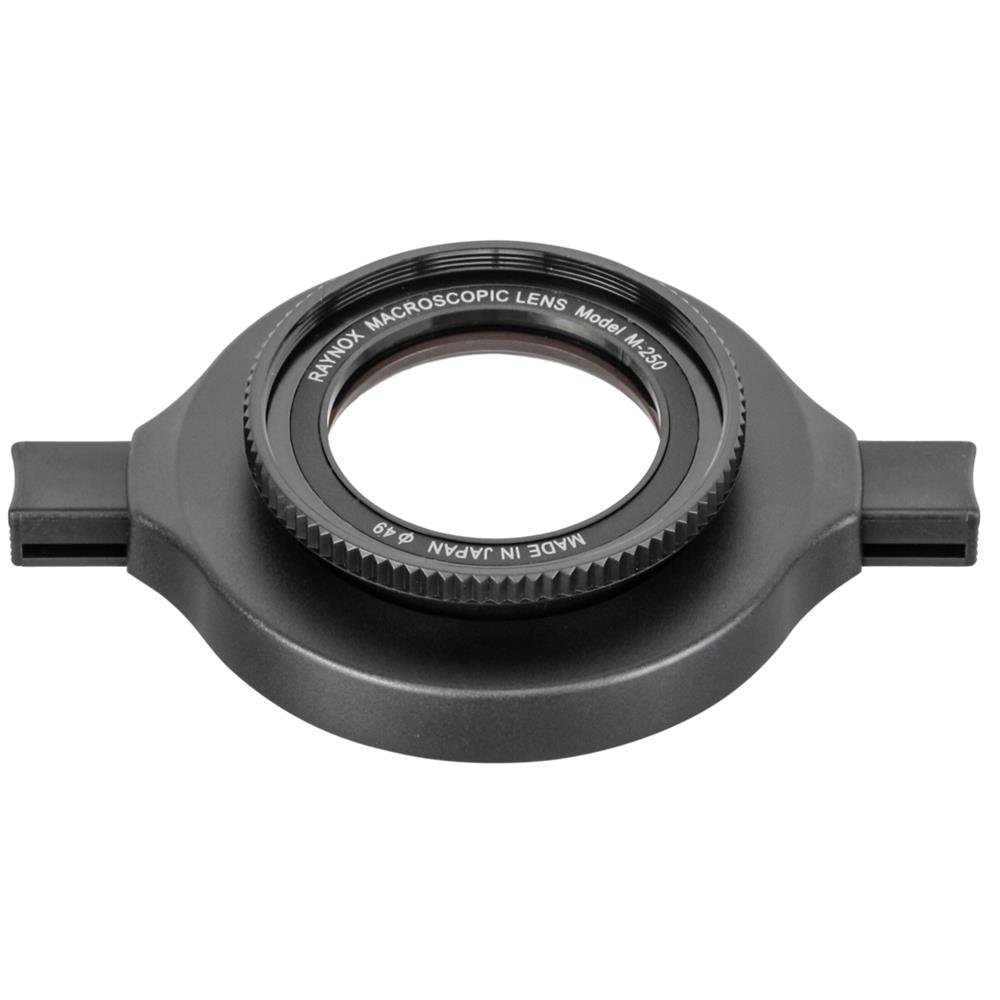
We paid close attention to the close-focus figure because product photography lives or dies there. The 1.15-foot minimum distance and 0.21x maximum magnification are fine for a pair of shoes, a stack of dinnerware, or a boxed good, but not for a ring. That is the boundary of this lens: for tiny objects, add the Raynox DCR-250 or choose a true macro. The STM motor is quiet and smooth, and on a tripod we prefer manual focus for repeatable frames; in low light the autofocus can hunt.
What we like most is how little it asks of the rest of the kit. It weighs 5.6 ounces, takes 49mm filters, and does not make a tripod feel mandatory. The 50mm view is also forgiving of a small table and a plain wall, which is most of what a home product setup has to work with. It is not the lens for extreme macro, but for the bulk of tabletop work and the occasional portrait, it is the one we keep on the camera.
Pros
- Bright f/1.8 aperture for low light
- Clean background blur at wide apertures
- Compact 5.6 oz body with quiet STM focus
- Works on full-frame and APS-C Canon
Cons
- Not a true macro for tiny products
We recommend the Canon EF 50mm f/1.8 STM as the default product lens for Canon DSLR owners: sharp, bright, and compact, with enough compression and blur to make tabletop shots look considered.