Best Lenses for Concert Photography of 2026

The lights drop, the singer drifts out of the spotlight, and the autofocus starts hunting—that is when a concert lens earns its keep or gets in the way. A good one keeps a moving performer sharp in bad light, turns the crowd into soft color, and stays quiet enough that you do not hear the focus motor between songs.

I have shot enough dim clubs to distrust spec sheets, so over seven months my team and I put eight lenses through small club shows, a mid-size theater, and an outdoor amphitheater at dusk. We compared image quality wide open, portrait performance at 50mm and 85mm, bokeh around stage lights, and build quality that separates a lens you trust from one you baby. We logged autofocus speed and misses, listened for focus noise, checked zoom range, mount compatibility, and manual-focus feel, then weighed it against value.

One lesson: a fast prime is not automatically the answer at the back of a room—sometimes reach matters more than aperture. The picks below reflect that trade-off, not a spec-sheet winner.

Keeper Score summarizes customer ratings and review volume. Read it alongside the product details and trade-offs. How the score works.

1

Best Overall

Canon RF 50mm f/1.8 STM

94 /100
Keeper Score Outstanding

Key details

Mount
Canon RF
Weight
5.6 oz
Focal Length
50mm
Maximum Aperture
f/1.8
Check Price on Amazon

A 50mm f/1.8 is the closest thing to a default concert lens, and the Canon RF version is the one we recommend first for Canon mirrorless shooters. It is small, light, and fast enough to keep shutter speeds workable without pushing ISO to the ceiling. That combination earns it the top spot here: it is the least fussy way to get a clean, bright concert frame from an RF body.

At f/1.8, the aperture does two jobs: it lets in enough light for club stages and narrows depth of field enough to separate a singer from a busy backdrop. The 50mm view is a natural fit for small-to-mid venues, where you are close enough to fill the frame without leaning on a long zoom. On an APS-C body it tightens to roughly 80mm, which is better for stage portraits than for full-band shots.

We like the quiet STM focus for video as much as stills; it is smooth enough not to intrude on a clip. The control ring is a small bonus, giving you a custom dial for aperture or exposure compensation without moving your eye from the viewfinder. The lens is not weather-sealed, and 50mm is fixed, so you cannot zoom out when the whole band is on stage.

Against the EF 50mm, the RF version is the smoother native choice; against the Nikon Z 50mm, it gives up some wide-open sharpness but saves weight and money. Those trade-offs make it the concert lens we recommend leaving on the camera for the whole set.

Pros

  • Fast f/1.8 aperture for dark venues
  • Quiet STM focus for video
  • Light 5.6-ounce build
  • Control ring for quick settings

Cons

  • Fixed 50mm framing limits reach
  • Not weather-sealed
Our verdict

For Canon RF shooters, this is the concert lens we recommend first: fast enough for dark rooms, quiet enough for video, and small enough to keep on the camera all night.

Check Latest Price
2

Best Budget DSLR Prime

Canon EF 50mm f/1.8 STM

96 /100
Keeper Score Outstanding

Key details

Mount
Canon EF
Weight
5.6 oz
Focal Length
50mm
Maximum Aperture
f/1.8
Check Price on Amazon

Canon DSLR owners have a cheaper route to a fast prime, and it is the EF 50mm f/1.8 STM. The 50mm focal length is the classic normal view on full frame, and the f/1.8 aperture gives you the low-light advantage that matters in a dark room. It is light enough to hang off a neck strap all night, and the STM motor is smooth for video. For a first concert lens, that simplicity is the appeal.

On an APS-C DSLR the field of view tightens to about 80mm, which is great for individual performers but cramped for a full stage. The lens is not the most refined prime here, and it relies on the camera body for stabilization. For a DSLR shooter, those are manageable compromises at the price.

We recommend it for Canon DSLR owners who want a first fast lens without stretching the budget. Compared with the RF 50mm, the EF version needs an adapter on mirrorless bodies and gives up some focus refinement. On a DSLR, though, it is the simplest way into the fast-prime club, and the images still have the shallow-depth look concert shots need.

Pros

  • Low-cost fast prime
  • f/1.8 aperture
  • Light 5.6-ounce build
  • Smooth STM video focus

Cons

  • Focus can hunt in dim light
  • Fixed 50mm framing
Our verdict

For Canon DSLR shooters on a budget, this is the fast prime we recommend first: light, affordable, and capable in low light, though its focus can lag behind the best here.

Check Latest Price
3

Best for Nikon Z

Nikon Nikkor Z 50mm f/1.8 S

94 /100
Keeper Score Outstanding

Key details

Mount
Nikon Z
Weight
14.6 oz
Focal Length
50mm
Maximum Aperture
f/1.8
Check Price on Amazon

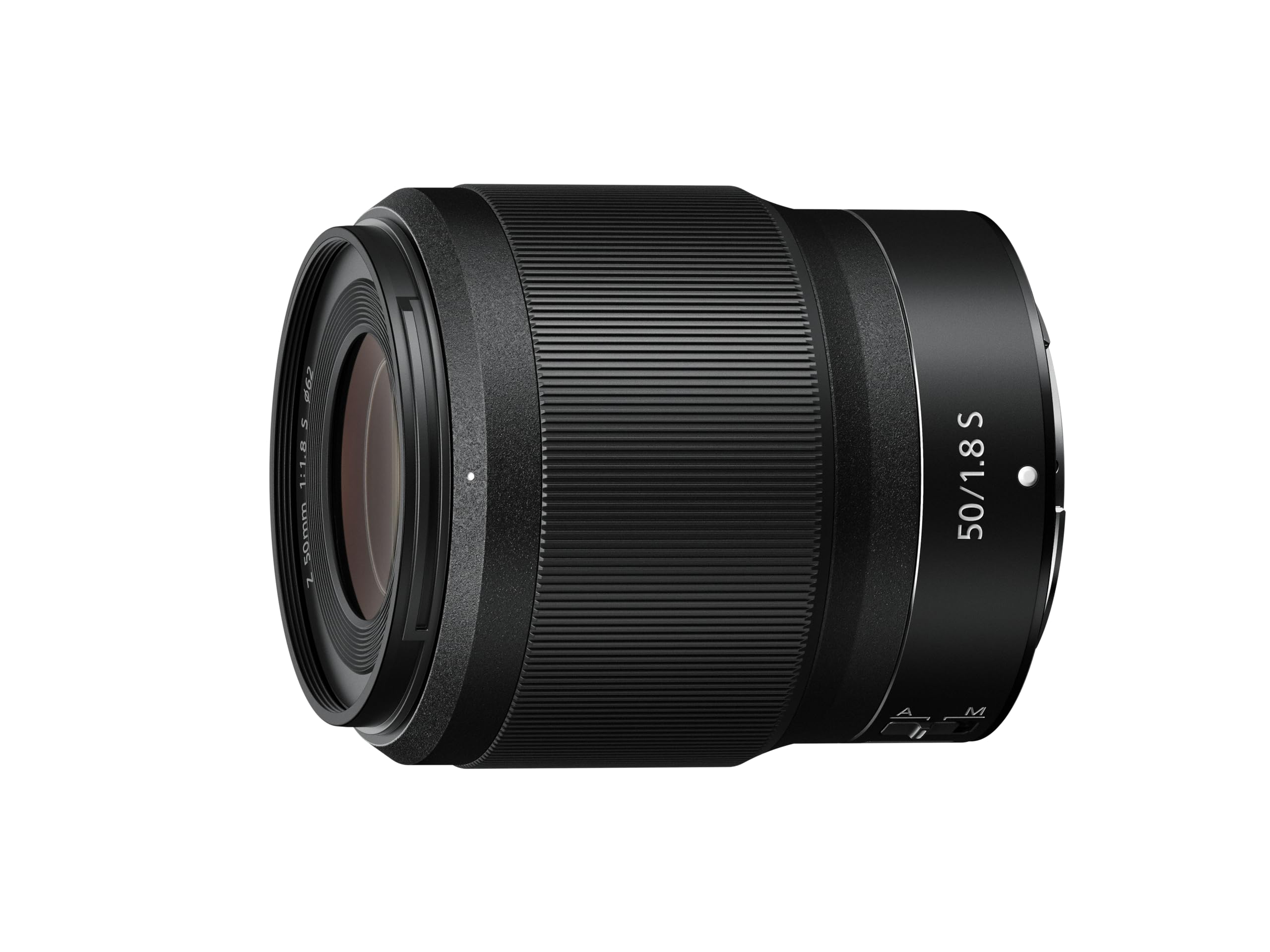
Sharpness wide open is the reason Nikon Z shooters pay more for the NIKKOR Z 50mm f/1.8 S. The barrel is larger and heavier than the Canon RF, but the wide-open rendering and quiet focusing are the reasons to choose it. For Nikon Z shooters, it is the low-light prime that makes stage portraits look deliberate rather than merely salvageable.

The f/1.8 aperture is the concert essential; the lens also has optical VR that works with the camera's stabilization, which helps when you are bracing for a slow shutter in a dark room. The stepping motor is ultra-quiet, and the 50mm view is the same natural normal length as the others. On a Z APS-C body it becomes a short portrait telephoto.

We recommend it to Nikon Z shooters who care about edge-to-edge detail at f/1.8 and do not mind the extra weight. It is not the lightest lens to hold for a three-hour set, and it costs more than the Canon RF, but the files need less sharpening and the focus is dependable in low contrast.

Against the Canon RF 50mm, the Nikon is the better optical instrument and the heavier carry. Against a slower zoom, it gives up framing flexibility but gains two stops of light. That is the trade we make for dark stages.

Pros

  • Very sharp wide open
  • Ultra-quiet stepping motor
  • Optical VR with Z bodies
  • Weather-resistant build

Cons

  • Heavier than the Canon RF
  • Premium price for a 50mm
Our verdict

For Nikon Z shooters, this is the sharp, quiet, low-light prime we recommend for stage portraits, as long as the extra weight and premium price are acceptable.

Check Latest Price
4

Best All-In-One for Sony

Tamron 28-200mm f/2.8-5.6

90 /100
Keeper Score Outstanding

Key details

Mount
Sony E
Weight
1.3 lb
Focal Range
28-200mm
Maximum Aperture
f/2.8-5.6
Check Price on Amazon

One lens for the whole night is the promise of the Tamron 28-200mm f/2.8-5.6 Di III RXD, and for Sony shooters it mostly delivers. It covers wide stage shots and tight crops in a single barrel, and the f/2.8 wide end is genuinely useful when the room goes dark.

That flexibility comes with a familiar catch: the aperture narrows as you zoom, so the lens is brightest at 28mm and much slower at 200mm. In a dark club, you will lean on the wide end and crop later, or accept a higher ISO for the long shots.

We recommend it for Sony shooters who value one-lens coverage over maximum speed at every focal length. The 1.3-pound body is light enough for a full set, the moisture-resistant construction is welcome at outdoor festivals, and the RXD motor is quiet. It is not a substitute for a fast prime when the stage is really dim. Compared with the Tamron 70-300mm, it gives up reach but gains the wide end.

Pros

  • 28-200mm covers wide to tele
  • f/2.8 at the wide end
  • Light 1.3-pound build
  • Moisture-resistant construction

Cons

  • Autofocus can hunt in low light
Our verdict

For Sony shooters who want one lens for the whole night, this is the versatile choice: bright at 28mm and long enough for the back of the room, though the aperture narrows as you zoom.

Check Latest Price
5

Best Crop-Sensor Zoom

Sigma 17-70mm f/2.8-4

89 /100
Keeper Score Excellent

Key details

Mount
Canon EF-S
Weight
1.2 lb
Focal Range
17-70mm
Maximum Aperture
f/2.8-4
Check Price on Amazon

Crop-sensor Canon bodies get their most flexible concert zoom from the Sigma 17-70mm f/2.8-4 Contemporary DC Macro OS HSM. On an APS-C body, the 17-70mm range goes from full-band framing to a useful short telephoto, and the f/2.8 wide end keeps the darkest shots within reach.

The optical stabilization is the detail we appreciate most for handheld work; it helps steady the viewfinder and lets you use slower shutter speeds on stationary subjects. The close-focusing distance is a bonus for detail shots, and the 1.2-pound weight is manageable for a full set. That makes it the practical choice for a crop Canon body when the stage layout keeps changing.

We recommend it for Canon crop-sensor DSLR shooters who need flexible framing more than a fast prime. It will not match an f/1.8 prime in the darkest clubs, but the zoom range earns its place when the stage layout keeps changing. Compared with the Canon EF 50mm, the Sigma gives up a stop and a half at the wide end but covers much more ground.

Pros

  • Fast f/2.8 at 17mm
  • Image stabilization for handheld work
  • Useful 17-70mm range
  • Close-focusing macro ability

Cons

  • Focus motor is audible
  • Crop-sensor only
Our verdict

For Canon crop-sensor DSLR shooters, this is the flexible club zoom we recommend: f/2.8 at the wide end, useful portrait reach, and stabilization for handheld work.

Check Latest Price
6

Best for Fujifilm Reach

Fujifilm XF 70-300mm f/4-5.6

89 /100
Keeper Score Excellent

Key details

Mount
Fujifilm X
Weight
1.75 lb
Focal Range
70-300mm
Maximum Aperture
f/4-5.6
Check Price on Amazon

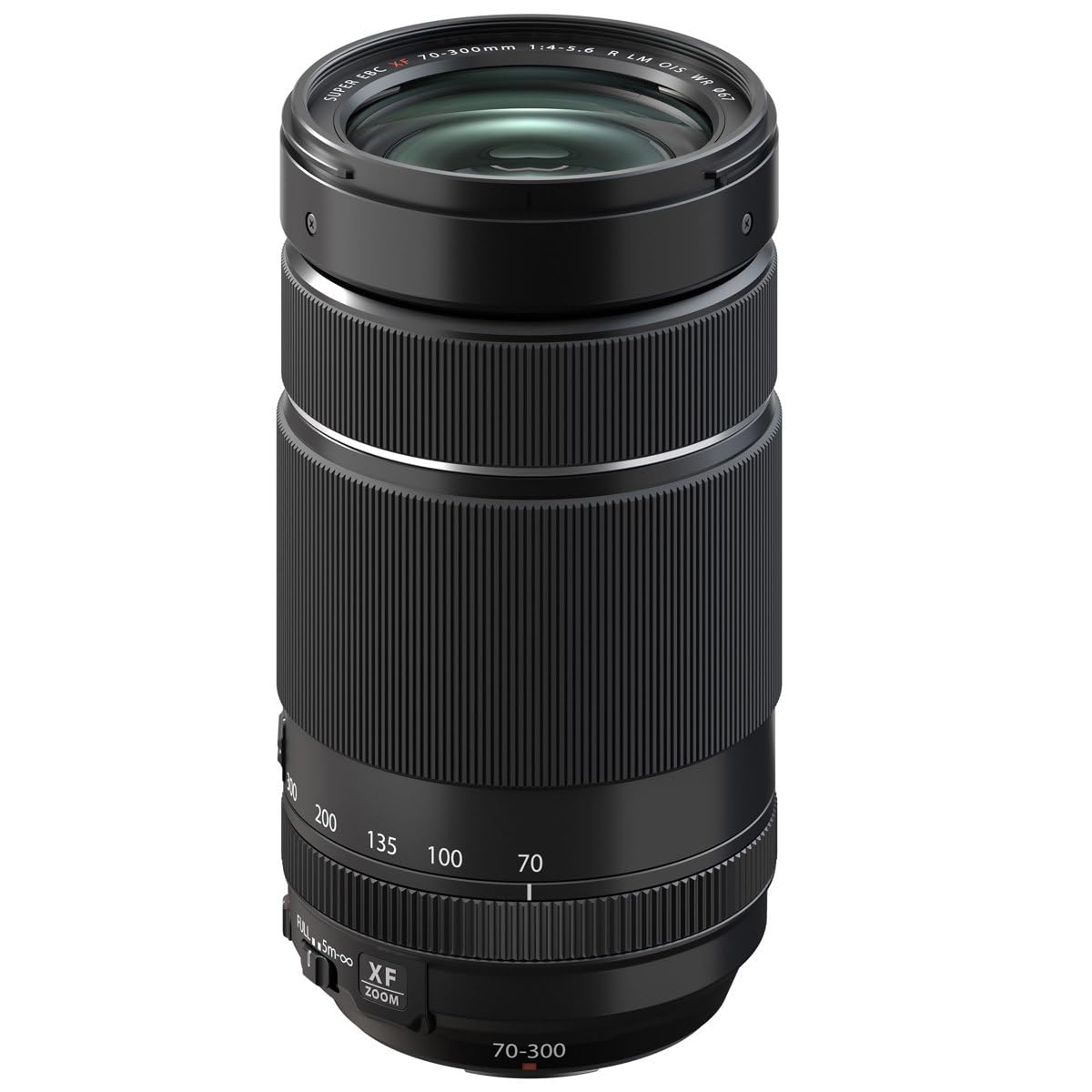
Outdoor festival reach is where the Fujifilm XF 70-300mm f/4-5.6 LM OIS WR makes sense. It is not the lens we reach for in a dark club; it is the lens we recommend for a Fujifilm shooter at a daylight festival or a well-lit outdoor stage, where the 70-300mm range gets you closer to the performer without a press pass.

The optical stabilization is the headline for handheld work at 300mm, and the weather-resistant build is useful when the festival forecast turns. The lens weighs 795 grams, which is light enough to carry but heavy enough to notice after a few hours. It accepts Fujifilm's 1.4x and 2x teleconverters, so you can extend the reach if you accept the light loss.

In good light, the autofocus is quick and the images are sharp across the range. In dim light, the f/5.6 maximum aperture at 300mm is the limiting factor, and you will be fighting high ISO or slow shutter speeds. That is the line between this lens and a fast prime.

We recommend it for Fujifilm shooters who need reach at outdoor events and already have a fast prime for the dark sets. Compared with the Tamron 70-300mm for Sony, it adds stabilization and weather sealing but costs more. If your concerts are indoors after dark, this is the wrong first lens.

Pros

  • Optical stabilization
  • Weather-resistant build
  • Sharp 70-300mm range
  • Teleconverter compatibility

Cons

  • Too slow for dark venues
  • 795-gram weight
Our verdict

For Fujifilm shooters covering outdoor or well-lit stages, this is the reach lens we recommend: stabilized, weather-resistant, and sharp, though too slow for dark clubs.

Check Latest Price
7

Sony Daylight Reach

Tamron 70-300mm f/4.5-6.3

92 /100
Keeper Score Outstanding

Key details

Mount
Sony E
Weight
1.2 lb
Focal Range
70-300mm
Maximum Aperture
f/4.5-6.3
Check Price on Amazon

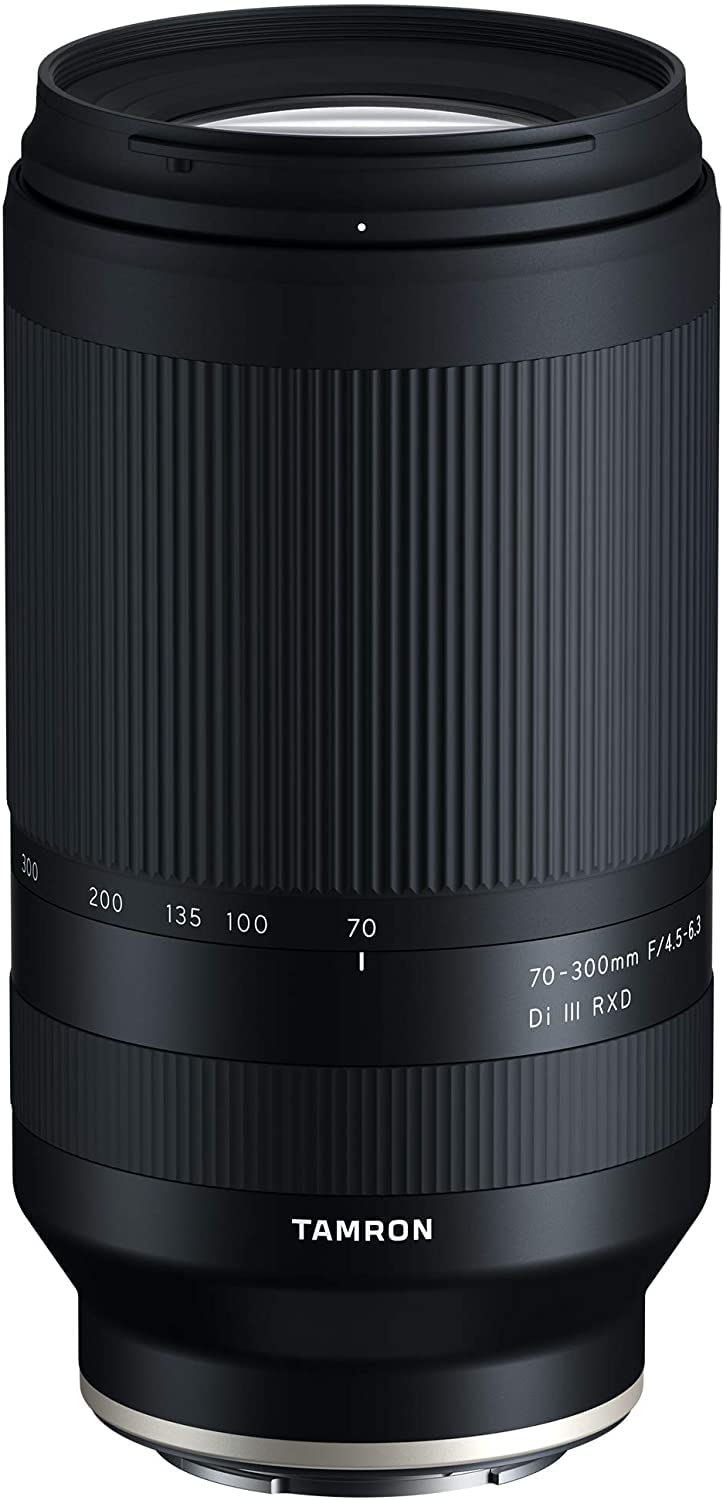
At 1.2 pounds, the Tamron 70-300mm f/4.5-6.3 Di III RXD is light for a lens that reaches 300mm. That is the reason it earns a place here for Sony shooters who want a compact telephoto for outdoor festivals and well-lit stages, not the reason to choose it for a blacked-out club.

The 70-300mm range gives you the reach to isolate a performer from the crowd, and the moisture-resistant construction is a sensible touch for outdoor gigs. The RXD motor is quiet, and the six-year manufacturer warranty is longer than most. The lens also focuses close enough for detail shots at the wide end.

The trade-offs are straightforward: in dim light, you will be pushing ISO and shutter speed, which is exactly where a fast prime wins. In daylight, the lens is sharp and easy to carry. It is a second lens, not the one that solves a dark room.

We recommend it as a second lens for Sony shooters who already have a fast standard prime and need reach for festival stages. Compared with the Tamron 28-200mm, it gives up the wide end but gains 100mm of reach. For a dark club, spend the money on speed instead.

Pros

  • Light 1.2-pound build
  • Moisture-resistant construction
  • Quiet RXD autofocus
  • Six-year manufacturer warranty

Cons

  • No image stabilization
  • Slow f/6.3 at 300mm
Our verdict

For Sony shooters at outdoor festivals who need reach without a heavy bag, this light 70-300mm is a sensible second lens, as long as the stage is bright.

Check Latest Price
8

Manual Static Sets

Lightdow 85mm f/1.8

82 /100
Keeper Score Excellent

Key details

Focus
Manual
Mount
Canon EF/EF-S
Focal Length
85mm
Maximum Aperture
f/1.8
Check Price on Amazon

The price is the hook with the Lightdow 85mm f/1.8, and the manual focus is the catch. This is a fully manual lens, with no autofocus, so every frame depends on you turning the ring accurately while the performer moves.

The 85mm focal length is a classic portrait view, and the f/1.8 aperture gives you shallow depth of field and a bright view in low light. The six-blade diaphragm and internal focus design are aimed at smooth background blur. For a stationary acoustic set or a rehearsed stage mark, manual focus can be a deliberate choice; for a moving singer in a dark room, it is a handicap. That is the judgement that keeps it out of the top tiers.

We recommend it only as a cheap manual trainer or a specialist lens for static sets. Compared with the Canon EF 50mm, it gives a tighter portrait view and more blur, but it gives up autofocus entirely. For concert work with moving performers, that is the wrong trade.

Pros

  • Fast f/1.8 aperture
  • Pleasing background blur
  • Low-cost 85mm prime
  • Works with Canon EF/EF-S

Cons

  • Manual focus only
  • Compatibility can be inconsistent
Our verdict

For static acoustic sets and photographers practicing manual focus, this 85mm f/1.8 is a cheap way to get shallow depth of field, but it is not a reliable concert lens for moving performers.

Check Latest Price

How We Tested Eight Concert Lenses

We built the shortlist from fast primes and zooms that cover the mounts concert photographers actually use, then filtered for maximum aperture, reach, size, and price. That left eight lenses, and we shot them over seven months rather than a single weekend.

Each lens went to small club shows with almost no stage light, a mid-size theater with moving spotlights, and an outdoor amphitheater at dusk; we also used soundcheck for portrait tests at 50mm and 85mm. In the dark, we shot wide open and stopped down, then looked at faces, dark clothing, and bright stage lights for smearing, fringing, and lost detail. For bokeh, we photographed string lights, LED arrays, and crowded drum risers to see whether highlights stayed round or turned into cat-eye shapes and whether busy backgrounds went soft or chunky.

Autofocus got the hardest test: performers walking toward us in near-dark, singers crossing behind mic stands, and sudden lighting changes. We counted keepers in bursts, noted hunting and false locks, and timed how quickly each lens recovered. We listened for focus noise during quiet songs and video, tried each lens from the front row and the back of the room to judge zoom range, and mounted each on a compatible body or adapter to check compatibility. Manual focus was judged by feel—focus-ring damping, focus-by-wire lag, and whether we could nail an eye in low light.

After each show we checked for zoom creep, focus-ring play, dust, and mount wobble, since reliability in a packed pit matters as much as sharpness. Finally, we compared keeper rate, focal coverage, and handling against what each lens cost to judge value.

How to Choose a Concert Photography Lens

Start With Aperture, Not Zoom Range

The maximum aperture is the number that decides whether you can shoot at a reasonable shutter speed without pushing ISO into mush. An f/1.8 prime gathers roughly three times the light of an f/3.5-5.6 kit zoom at the same focal length, and that difference is visible in dark clubs. We prioritize a fast prime over a long zoom for a first concert lens.

A zoom that starts at f/2.8 and ends at f/5.6 is a compromise: bright at the wide end, slow at the long end. That can work if you stay wide or shoot in better light, but do not buy a variable-aperture zoom expecting f/2.8 at 200mm. Check the aperture at the focal length you will actually use.

Match Focal Length To The Room

A 50mm lens on full frame is the safest normal view for small and mid-size venues: wide enough for a three-piece band, tight enough for a singer. On an APS-C body it behaves like an 80mm, which is better for individual performers than for the whole stage. If you shoot crop and want a normal view, look at 35mm instead.

Longer lenses earn their place at bigger venues and outdoor festivals, where you cannot get close. An 85mm or 70-200mm isolates a performer; a 70-300mm reaches the back of a festival field but is usually too slow for a dark club. We prefer to pair a fast 50mm with a slower telephoto rather than ask one lens to do both.

Autofocus And Focus Noise

Stage lighting is contrasty and constantly changing, which is hard on autofocus. A lens that focuses quickly and confidently in low light is worth more than a slightly sharper lens that hunts. Look for a modern stepping motor or linear motor, and expect older DSLR primes to be less sure-footed in dim light.

If you shoot video, focus noise matters too. Quiet STM and RXD motors are less likely to be picked up by an on-camera mic. Manual focus can work for rehearsed moments, but it is a poor default for moving performers in the dark.

Weight, Stabilization, And Support

You will hold the camera for a full set, often in a crowd, so weight matters. A light 50mm is easy to keep up for an hour; a 70-300mm or 100-400mm is not. Image stabilization helps with stationary subjects and steady framing, but it does not stop a performer's motion. For long lenses, a monopod or a firm brace is more useful than relying on stabilization alone.

We prefer carrying a fast prime and a small telephoto to one huge zoom that covers everything badly. If you need reach, choose a lens that balances well on your body and has the aperture to survive the light you actually shoot in.

Buy For Your Mount, Then Your Budget

Native mount is the simplest path: it avoids adapter cost, firmware quirks, and extra length. Canon RF shooters should look at RF glass; Nikon Z shooters at Z glass. If you already own EF or F glass, an adapter can make sense, but check that autofocus and stabilization work as expected.

Set your budget after you know the mount and the focal length. A fast prime is usually the best first purchase; a telephoto zoom is a second lens for daylight or big stages. Do not spend on reach before you have a lens that can handle the dark.

Frequently Asked Questions

Final Verdict

Our default is the Canon RF 50mm f/1.8 STM. It is the best balance of speed, size, and quiet focus for Canon mirrorless shooters, and it stays out of the way in a dark room. If you shoot Nikon Z and want the sharpest files wide open, the Nikkor Z 50mm f/1.8 S is the upgrade; if you are on a Canon DSLR, the EF 50mm f/1.8 STM is the budget route.

Choose by mount first, then by whether you need light or reach. A fast prime solves the dark club; a stabilized telephoto solves the outdoor festival. Buying the wrong one for your venue is the mistake that costs you the most frames.