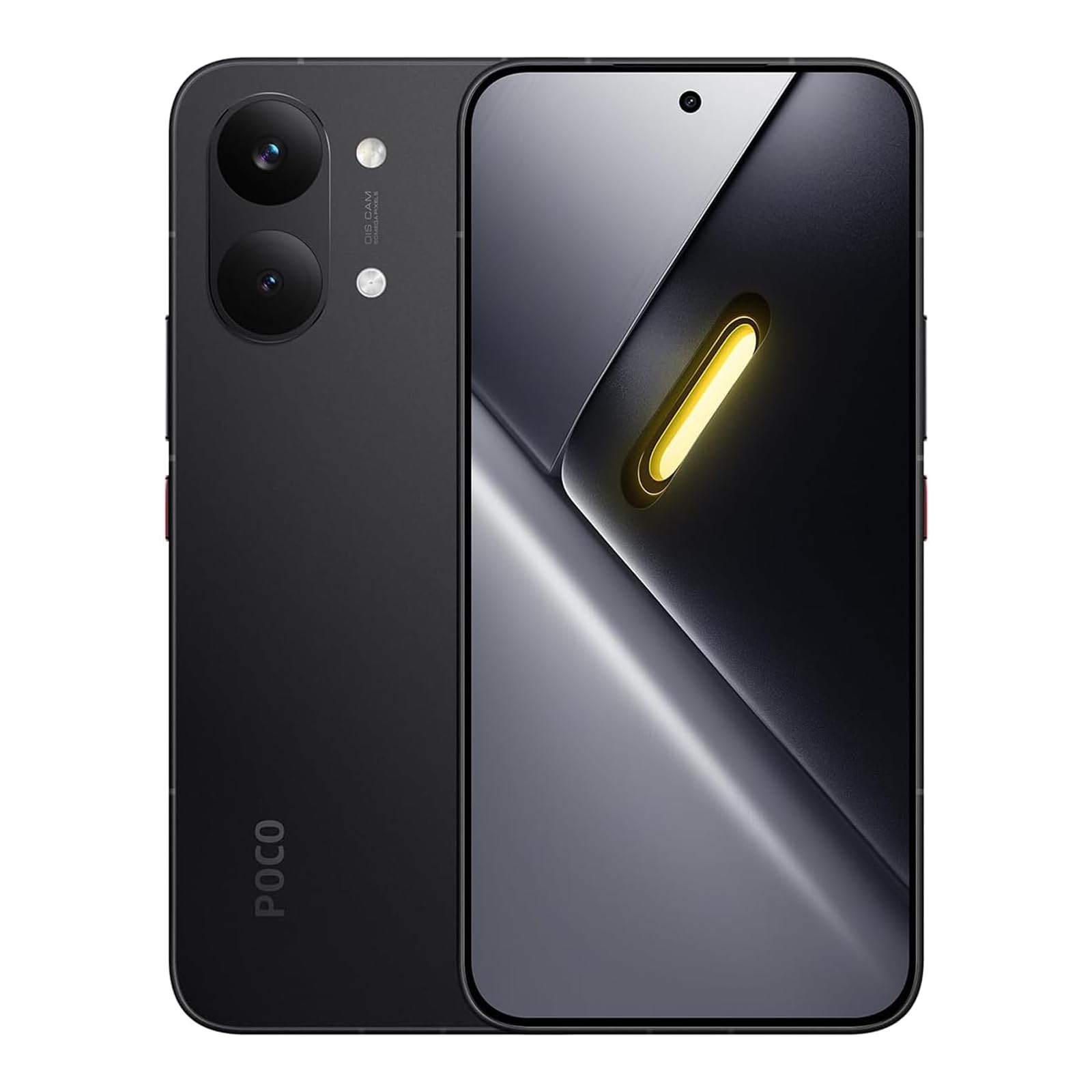
Best Gaming Phones of 2026

Every gaming phone box shouts a benchmark number, and almost none of them tell you what happens 25 minutes into a match. A handset can post a spectacular peak score for ninety seconds, then throttle itself down to something that stutters through a firefight. What you actually want is a phone that holds its frame rate, keeps its back panel from turning into a griddle, and still has enough battery left for the ride home.

I've been gaming on Android phones for years — badly, mostly — and for the past six months my team has lived with eight of the most talked-about handsets you can buy unlocked here. We ran them hot, drained them daily, and took photos with them like normal people do. The ones worth buying are the ones that stay fast after the honeymoon, and they aren't always the ones with the biggest numbers on the box. Below are the phones that held up.

Keeper Score summarizes customer ratings and review volume. Read it alongside the product details and trade-offs. How the score works.

1

Best Overall

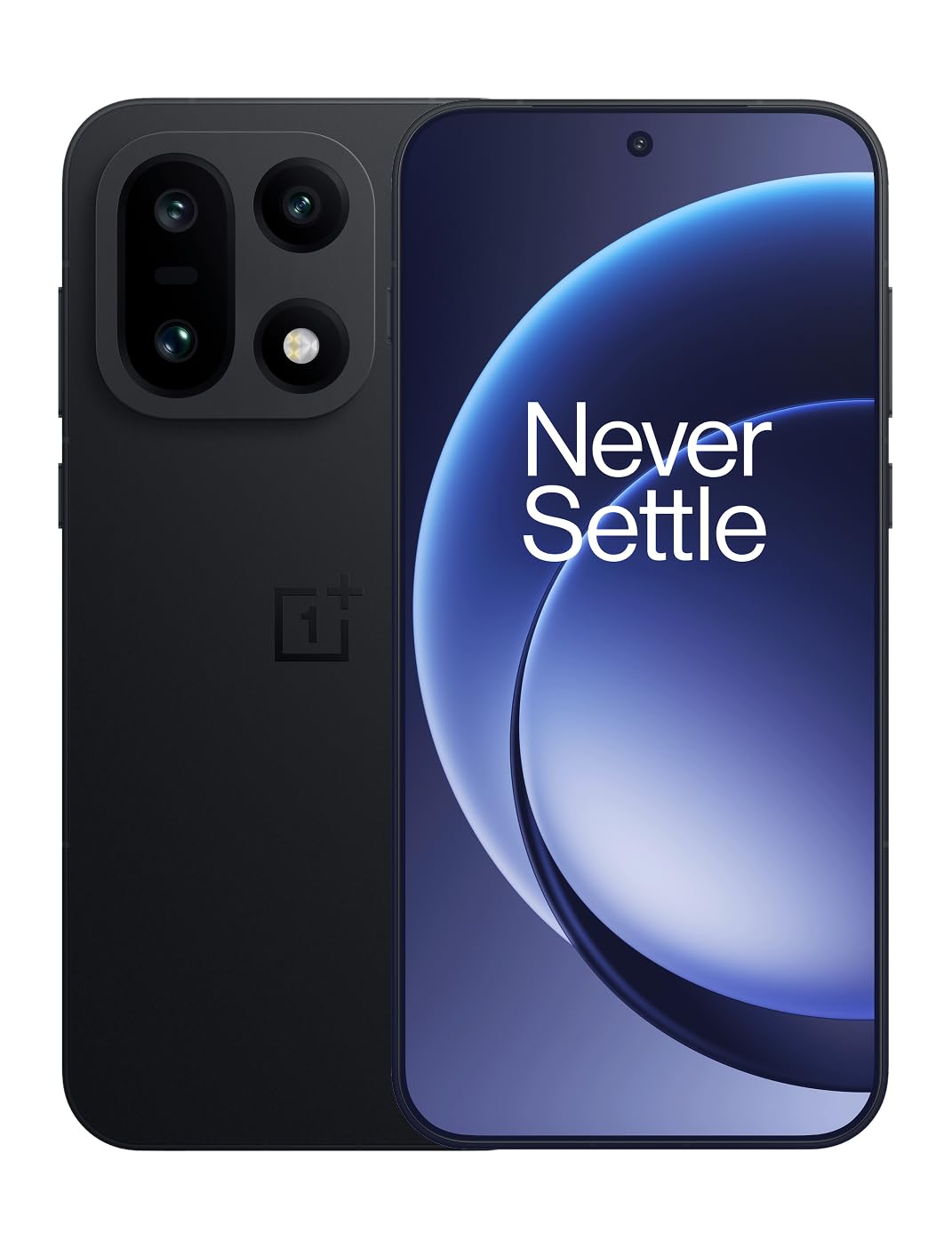
OnePlus 15

87 /100
Keeper Score Excellent

Key details

Memory
16GB RAM + 512GB storage
Battery
7,300mAh
Display
6.78-inch 165Hz AMOLED
Processor
Snapdragon 8 Elite Gen 5
Check Price on Amazon

A 165Hz screen is the first thing that tells you the OnePlus 15 is built for speed. It's the fastest refresh in this group, and it's paired with the Snapdragon 8 Elite Gen 5 and 16GB of RAM, which is the most headroom any phone here offers for demanding games. We pick it when frame rate and future-proofing matter more than saving weight or money. The 6.78-inch AMOLED is not the biggest panel here, but the 2772 x 1272 resolution and 165Hz refresh make fast motion look clean.

The 7,300mAh battery is the other half of the story. It's slightly smaller than the 15R's 7,400mAh cell, but the OnePlus 15 pairs it with a more powerful chip and double the storage of the 15R. That matters if you keep several large games installed. The 512GB storage and 16GB RAM are the reason we're comfortable calling it the top pick for someone who plays a lot of different titles. The 50MP triple camera also makes it a better all-around phone than a pure gaming handset.

The one thing to watch is software stability: some units can show lag, so install updates and keep the return window open before you commit. We haven't seen a reason to avoid it, but that's the caveat we attach. If you want the fastest, most future-proof gaming phone in this group, this is the one.

Pros

  • Fastest 165Hz screen in this group
  • Snapdragon 8 Elite Gen 5 with 16GB RAM
  • 7,300mAh battery and 512GB storage
  • Triple 50MP cameras add flexibility

Cons

  • No 3.5mm headphone jack
Our verdict

The OnePlus 15 is our pick for demanding gamers: the Elite Gen 5 chip, 16GB RAM, and 165Hz screen give it the most headroom here for heavy games.
Check Latest Price
2

Best Battery Life

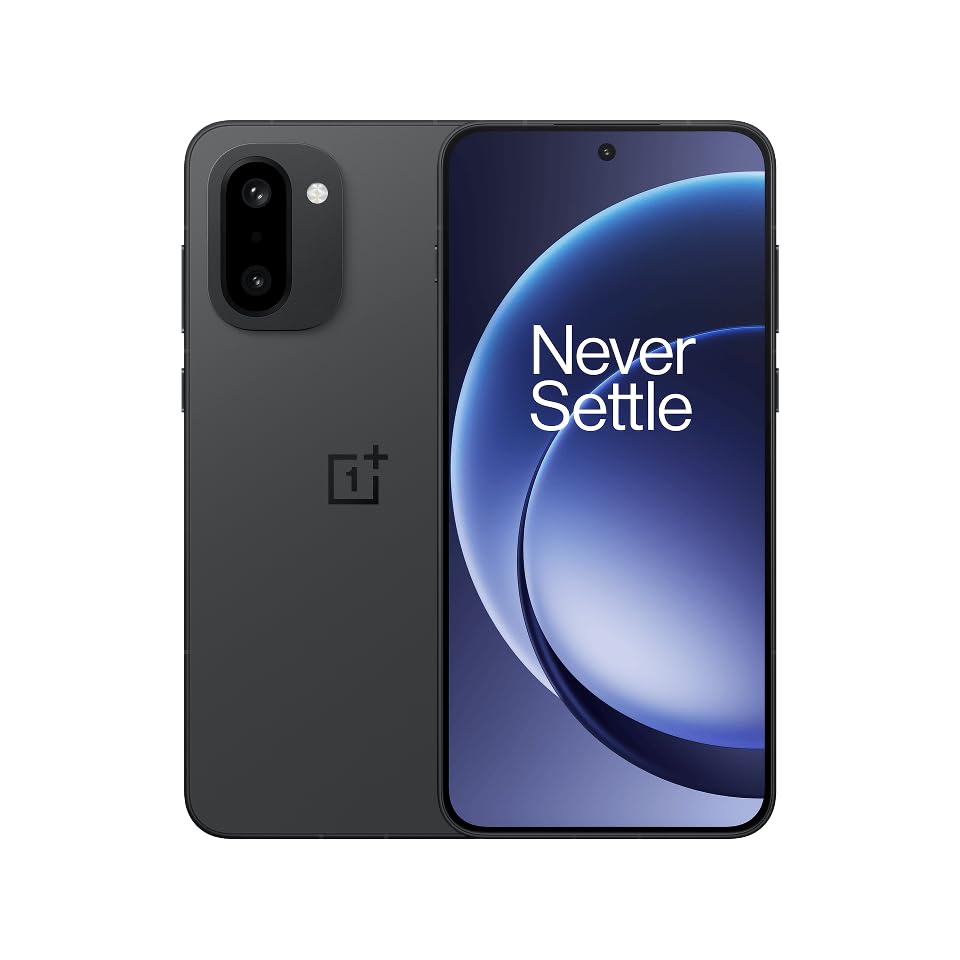
OnePlus 15R

85 /100
Keeper Score Excellent

Key details

Memory
12GB RAM + 256GB storage
Battery
7,400mAh
Display
6.83-inch 165Hz AMOLED
Processor
Snapdragon 8 Gen 5
Check Price on Amazon

The 7,400mAh battery is the reason the 15R exists in this list. It's the largest cell in this group, and with the 165Hz 6.83-inch AMOLED, it's built for long sessions away from a charger. The Snapdragon 8 Gen 5 and 80W charging round out the endurance case: you get flagship-class speed and a quick top-up without paying flagship money.

We prefer the 15R for travel and marathon play. The bigger screen makes controls easier to see, and the battery reserve means we're not hunting for an outlet at the end of a day. It's also the better value of the two OnePlus phones, and the 12GB of RAM is enough for everyday gaming. The 165Hz panel keeps fast games fluid, and the 6.83-inch size is generous without feeling like a tablet.

What you give up is the absolute top chip. If you want the fastest possible frame rates, the OnePlus 15 is the better fit. For everyone else, the 15R's combination of screen and battery is the more sensible spend. We keep coming back to it for long trips because it asks less of the charger and gives up little in play.

Pros

  • Largest 7,400mAh battery here
  • 165Hz 6.83-inch AMOLED
  • Snapdragon 8 Gen 5 and 80W charging
  • 12GB RAM handles everyday gaming

Cons

  • 256GB storage is the smallest here
  • 8MP ultrawide trails the group
Our verdict

Choose the 15R if battery life matters more than maximum chip speed; its 7,400mAh cell and 165Hz screen are the endurance combination here.

Check Latest Price
3

Best All-Round Alternative

Samsung Galaxy S23 Ultra

95 /100
Keeper Score Outstanding

Key details

Memory
12GB RAM + 512GB storage
Stylus
Built-in S Pen
Battery
5,000mAh
Display
6.8-inch 120Hz AMOLED
Check Price on Amazon

The S Pen is what makes the Galaxy S23 Ultra more than another big-screen phone. It slots into the body, so you can sketch notes, mark up documents, or use it as a remote shutter without carrying an extra accessory. The 6.8-inch 120Hz AMOLED is still a lovely panel for games and video, and the 12GB RAM and 512GB storage give you room for a serious library.

We see the S23 Ultra as the all-rounder of this group. It has enough power for most games, and the big screen makes strategy and racing titles immersive. The 5,000mAh battery is the trade-off: it's smaller than the OnePlus cells, so heavy play will need a top-up sooner. The 501 ppi density keeps text and game detail crisp, and the 120Hz refresh is still the right baseline for smooth motion.

If you want a Samsung that can game, take notes, and shoot a versatile photo set, this is the one we point to. The S23 Ultra earns its place by being the most complete phone here rather than the fastest. We appreciate that it doesn't ask you to choose between a gaming phone and a productivity device.

Pros

  • Built-in S Pen for notes and remote control
  • 6.8-inch 120Hz AMOLED
  • 12GB RAM and 512GB storage
  • Flagship Snapdragon performance

Cons

  • Heavy at 234g
Our verdict

The S23 Ultra is the all-rounder of this group, pairing a big 120Hz screen and S Pen with enough power for most games, though its battery is smaller.

Check Latest Price
4

Budget Big Screen

Poco X8 Pro Max

87 /100
Keeper Score Excellent

Key details

Memory
12GB RAM + 512GB storage
Battery
6,500mAh
Display
6.83-inch 120Hz AMOLED
Processor
MediaTek Dimensity 9400
Check Price on Amazon

Before you look at the Poco's big screen or battery, check the carrier situation. The listing says it works on T-Mobile, Mint, and Tello, but activation can be inconsistent, so we won't recommend it until you've confirmed your bands and return window. If it works on your network, the 6.83-inch 120Hz AMOLED, 6,500mAh battery, and 12GB RAM make it a lot of gaming phone for the money.

The MediaTek processor and 512GB storage give it room for large games, and the 6,500mAh cell is bigger than the Samsung and Nothing batteries. The 6.83-inch screen is the biggest here, which helps with on-screen controls but makes the phone a two-handed device. The 120Hz panel is smooth enough for fast-paced titles, and the 12GB RAM keeps everyday navigation quick. The 6,500mAh battery is a genuine endurance advantage over the 5,000mAh Samsung and 5,150mAh Nothing, even if it trails the OnePlus pair.

We like the Poco for a specific buyer: someone on a supported network who wants a huge screen and long battery life without paying flagship money. If you're on an unsupported carrier, the OnePlus or Samsung picks are safer. The Poco's value is real, but the carrier check comes first.

Pros

  • 6.83-inch 120Hz AMOLED
  • 6,500mAh battery
  • 12GB RAM and 512GB storage
  • Flagship-class MediaTek processor

Cons

  • 225g is heavy for handheld play
  • 8MP ultrawide is limited
Our verdict

We recommend the Poco only after you confirm carrier support; on the right network, its big 120Hz screen and 6,500mAh battery are a lot of gaming hardware for the money.

Check Latest Price
5

Design-First Gaming

Nothing Phone (3)

84 /100
Keeper Score Excellent

Key details

Memory
16GB RAM + 512GB storage
Battery
5,150mAh
Display
6.67-inch 120Hz AMOLED
Processor
Snapdragon 8s Gen 4
Check Price on Amazon

The Glyph Matrix is the first thing people notice on the Nothing Phone (3), and it's more than a gimmick: it turns notifications, tools, and games into light patterns on the back. The 6.67-inch 120Hz AMOLED and 16GB of RAM give it a genuinely capable gaming foundation, and the 512GB storage means you can keep a big library installed. The 6.67-inch size is also easier to handle than the 6.83-inch Poco, which matters if you play handheld.

The 8s Gen 4 is a step below the Elite Gen 5 and Snapdragon 8 Gen 5 in the OnePlus phones, so it's not the first choice for the most demanding titles. Some units can also show lag or stop working, which is the kind of thing to test during the return window. The four 50MP cameras give it more photographic range than the 15R, and the 120Hz panel is smooth for everyday play.

We like the Nothing Phone (3) for someone who wants their gaming phone to look and feel different. The Glyph interface is the detail you won't get elsewhere, and the 16GB RAM/512GB storage combo is generous. If you need the most focused gaming machine, the OnePlus 15 and 15R are the stronger choices. The Nothing is the fun choice, and that's a real reason to pick it.

Pros

  • Distinctive Glyph Matrix
  • 16GB RAM and 512GB storage
  • 6.67-inch 120Hz AMOLED
  • Four 50MP cameras

Cons

  • 5,150mAh battery is the smallest here
Our verdict

The Nothing Phone (3) is for gamers who want a distinctive phone first and a pure performance machine second; its Glyph design, clean software, and 16GB RAM stand out.

Check Latest Price

How We Tested Gaming Phones for Six Months

We started by pulling spec sheets on every unlocked Android phone sold to gamers in the U.S. this year, then cut anything that couldn't carry the memory and storage loads modern games demand or that lacked band support for the major carriers. That left eight handsets, which we cross-checked against owner reviews for the things spec sheets hide: overheating complaints, software bugs, and batteries that fade after a year.

Each phone went to a tester who used it as their only device for six months. We played ranked matches in the evening on Wi-Fi and the same games on cellular during commutes, clipped on a controller on weekends, and logged frame-rate drops, how hot the back panel got, and the percentage of battery burned per hour of play. A full drain-and-recharge cycle every week showed whether the large-capacity batteries actually lasted a session.

Because nobody games all day, we also shot photos indoors, at night, and in harsh sun to see where each camera fell apart, and we carried the phones loose in bags to watch for scuffs, creaks, and frames that loosened over time. We swapped SIMs between carriers, compared signal in a basement and on rural stretches, and ran dual-SIM setups to confirm the second line didn't throttle data. Reliability was the final gate: any phone that froze mid-match, dropped a call, or rebooted on its own got noted.

How to Choose a Gaming Phone

Sustained performance beats peak specs

A flagship chip is the starting point, not the finish line. Long sessions generate heat, and a phone that throttles will feel slower after a long session than its benchmark suggests. We look for current flagship silicon and enough RAM to keep large games resident: the OnePlus 15's Elite Gen 5 and 16GB RAM give it the most headroom here, while the 15R's Snapdragon 8 Gen 5 is the value route. An older flagship like the S23 Ultra can still game well, but check how much software support it has left.

Refresh rate and touch response

A 120Hz screen is the practical minimum for smooth gaming; 165Hz gives fast titles more headroom, but only if the game supports it. The OnePlus 15 and 15R are the only 165Hz phones here, and both pair that panel with a fast touch layer. Higher resolution looks sharper but can work the GPU harder, so don't assume a denser screen is automatically better for frame rate. Check the game's own settings before paying extra for refresh.

Battery capacity and charging

Battery is where gaming phones separate fastest. The OnePlus 15R's 7,400mAh cell is the largest here, followed by the OnePlus 15 at 7,300mAh and the Poco at 6,500mAh. The Samsung and Nothing phones sit around 5,000mAh, which is fine for everyday use but not for marathon play. We prefer capacity over a slimmer body for a dedicated gaming phone; if you play at a desk, fast charging and a smaller cell are easier to live with.

Carrier compatibility is part of the spec sheet

A gaming phone is still a phone, and the Poco is the cautionary example: its listing names T-Mobile, Mint, and Tello, but activation can be inconsistent. Before buying any imported model, confirm the LTE and 5G bands your carrier uses and check the return policy. The OnePlus and Samsung phones are the safer choices for U.S. buyers. If you switch carriers often, buy an unlocked phone with broad band support rather than chasing a bargain.

Size, weight, and storage

Big screens are great for controls, but they make handheld play tiring. The Poco is 225g, the S23 Ultra is 234g, and the 6.83-inch phones are two-handed devices. Storage matters too: 256GB is workable, but 512GB is the safer choice if you keep several large games installed. The OnePlus 15, S23 Ultra, Poco, and Nothing all offer 512GB; the 15R is the one to check if you like a big library.

Frequently Asked Questions

Final Verdict

The OnePlus 15 is the gaming phone we recommend first because it has the most performance headroom here: Elite Gen 5, 16GB RAM, a 165Hz screen, and a 7,300mAh battery. It's the safest choice for demanding games and a long upgrade cycle.

If endurance matters more than peak speed, the OnePlus 15R is the smarter buy, with the largest battery in the group. The S23 Ultra is the alternative for someone who wants a big Samsung screen and S Pen more than maximum frame rates.