Best Overall
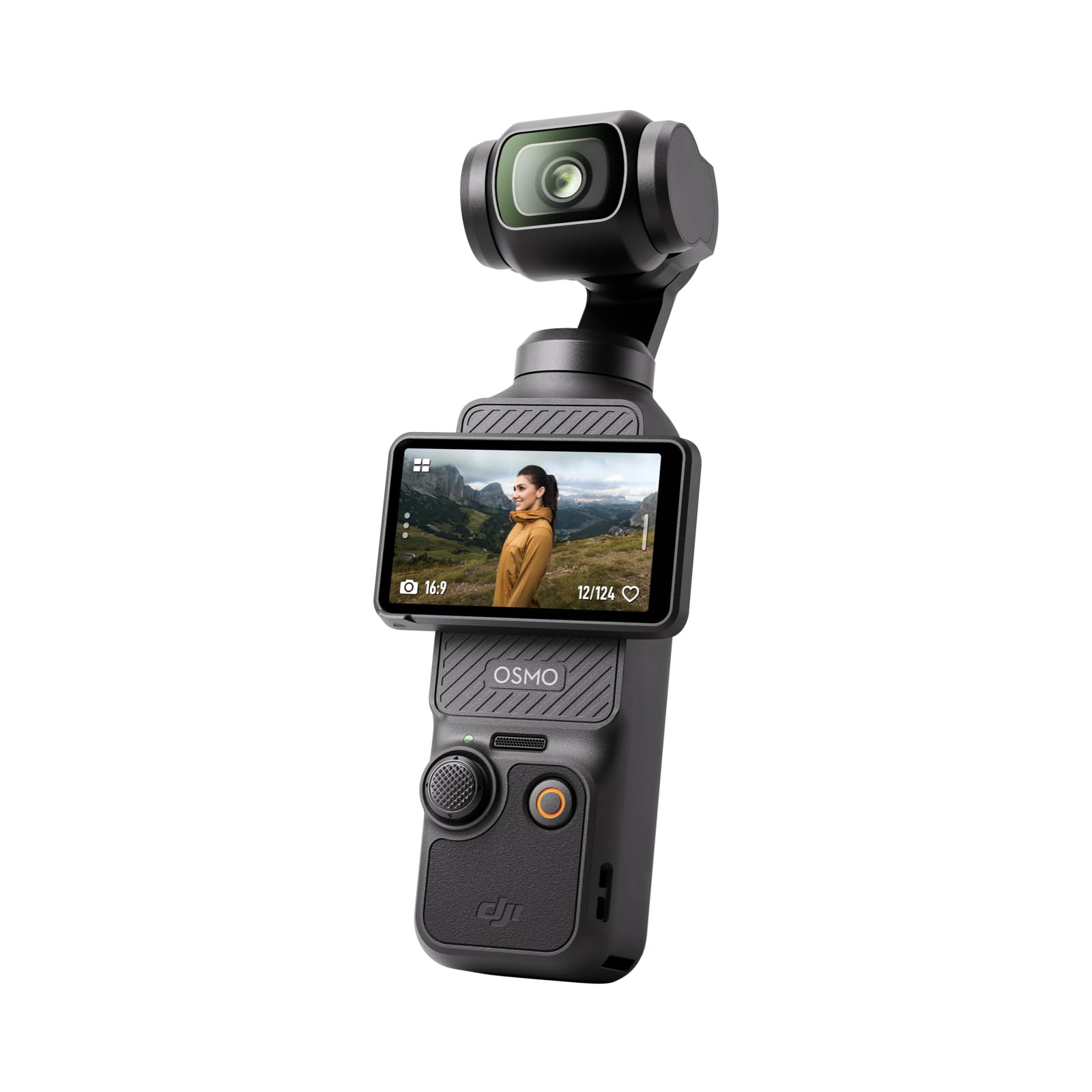
DJI Osmo Pocket 3
Key details
- Video
- 4K at 120fps
- Sensor
- 1-inch CMOS
- Battery Life
- 166 minutes
- Stabilization
- Motorized 3-axis gimbal
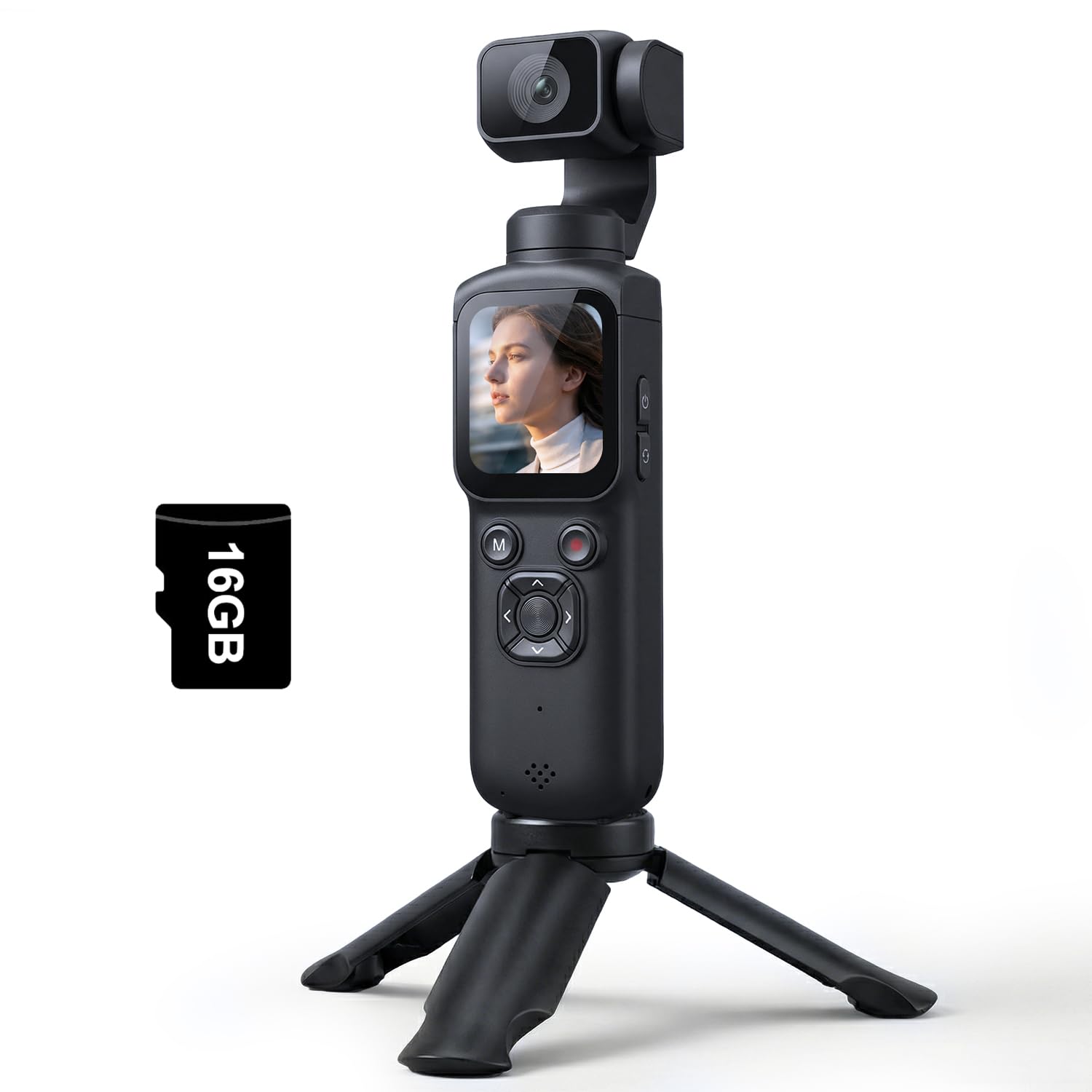
A one-inch sensor, 4K at 120 frames per second, and a motorized three-axis gimbal in a body that weighs 179 grams: on paper the Osmo Pocket 3 is playing a different game from the rest of this group, and in hand it feels that way too. It is the one we reach for when the footage actually has to be usable.
The gimbal is what changes how you shoot. The camcorders here lean on digital stabilization, which crops the frame and hopes the algorithm keeps up; a physical gimbal holds the sensor steady before a single pixel is recorded. We noticed it in the ordinary stuff, walking down a street or following a dog across a yard, where shots that normally need a second take came out right the first time. The 2-inch screen rotates between horizontal and vertical, which turns out to matter when the same clip is headed for YouTube and Shorts, and ActiveTrack keeps a face centered while the camera sits on a tripod.
The lens is a fixed wide angle with 4x digital zoom, so this is not the camera for reaching across a field; you move closer instead. Reliability is the other caveat, and it shows up as a camera that will not power on or a gimbal that stops leveling. Buy from a seller with a straightforward return window and register the unit. At 179 grams it disappears into a jacket pocket, which is the quiet argument for it: the camera you actually carry is the one that gets used.
Pros
- Motorized gimbal steadies walking and handheld shots
- One-inch sensor and 4K/120 in a 179-gram body
- Rotating screen switches horizontal to vertical
- ActiveTrack keeps a subject framed on a tripod
Cons
- Rated 166-minute battery can fall short on long shoots
- Two-inch screen is tight for judging focus in the field
The camera we recommend to anyone who wants steady, clean-looking footage without building a rig, and the one travelers and solo creators will get the most out of.