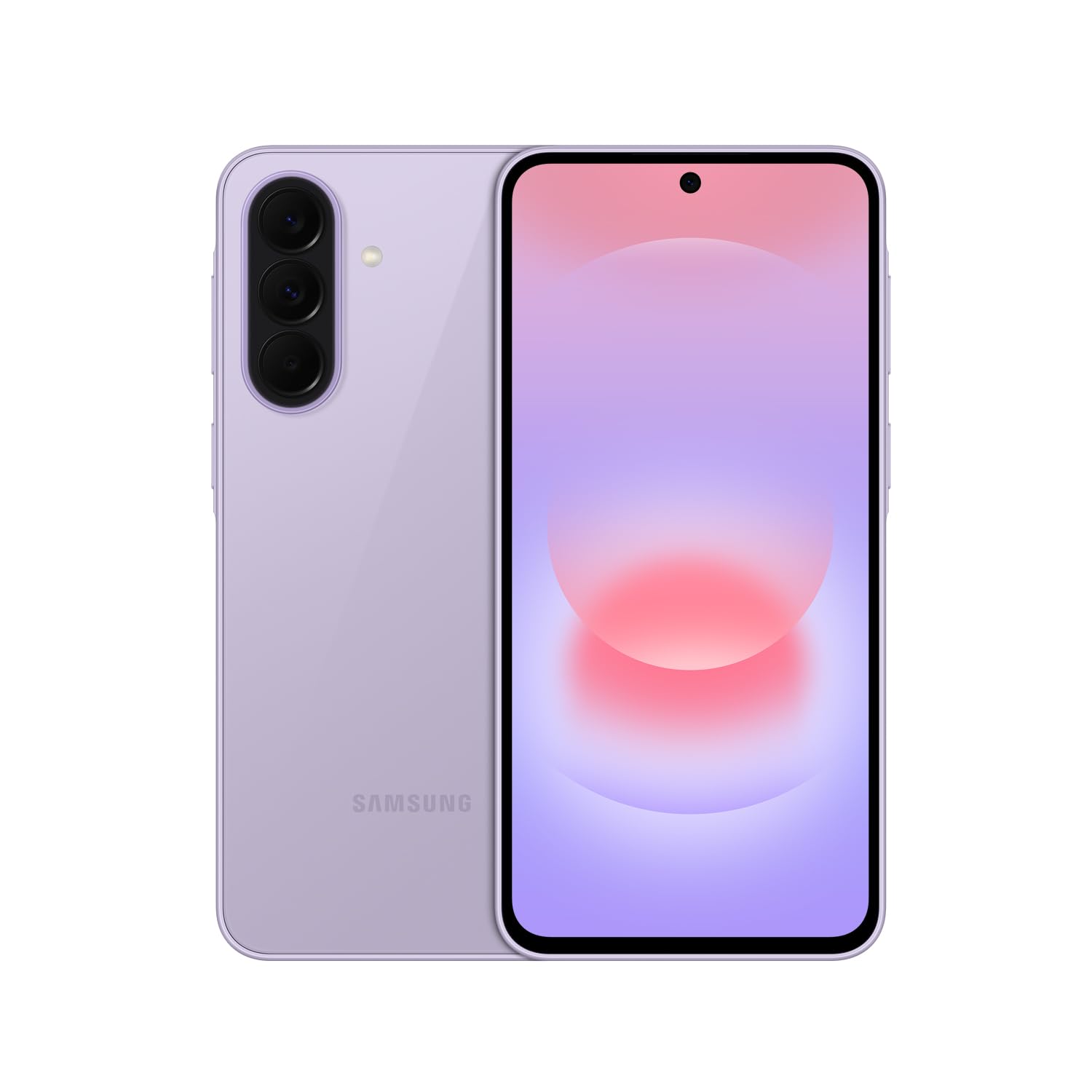
Best Android Phones for Photography of 2026

Megapixels are the easiest spec on a phone box to compare and the least useful. What actually separates a good camera phone from a mediocre one happens after you tap the shutter — a dim restaurant, a backlit window, a kid who won't sit still. Over the past eight months my team and I have shot with eight Android phones, from wallet-friendly midrangers up to full flagships, and the gap shows up fast: skin tones that stay warm instead of going orange, zoom that holds detail instead of dissolving into watercolor, a screen you can actually see on a sunny sidewalk while you frame the shot.

Two things surprised me. The AI editing tools baked into these phones now do more for a casual photographer than a slightly bigger sensor does — erasing a stranger from the background of a photo takes two taps and usually works. And price and photo quality have loosened their grip on each other; a couple of the mid-priced phones here beat flagships costing twice as much in daylight, even if they fell behind once the sun went down. The picks below are the ones that earned a permanent spot in my pocket, sorted by what each is genuinely good at.

Keeper Score summarizes customer ratings and review volume. Read it alongside the product details and trade-offs. How the score works.

1

Best Overall

Google Pixel 10

87 /100
Keeper Score Excellent

Key details

Zoom
20x Super Res Zoom
Video
4K at 60 fps
Display
6.3-inch OLED, 120Hz
Rear Cameras
Triple, with 5x telephoto
Check Price on Amazon

The Pixel 10 is one of the two compact phones in this group, and after a few weeks of carrying it that turned out to matter as much as any camera specification. A 6.3-inch screen in a body you can wrap one hand around means you can hold it, frame, and fire the shutter without rearranging your grip — exactly what you want when the thing worth photographing lasts about four seconds.

The camera is why it earns the top spot. A 48MP main sensor and a 5x telephoto lead a triple rear system, with up to 20x Super Res Zoom on top, which covers the distances people actually shoot at: the room, the group, and the face across the table. The telephoto is the part we appreciate most, because it's a real optical lens — a portrait pulled in at 5x keeps texture and edge detail instead of going soft the way a digital crop does. Night Sight handles the rest after dark, and in our testing the automatic result was the one we kept, without opening a settings menu.

Battery and storage are where the small body shows its limits. The 4,970mAh cell covers a full day of shooting and sharing, though a long video afternoon has you looking for a cable before bed. The 128GB base capacity is the bigger constraint for photographers: a season of 4K clips fills it faster than you expect, so decide before you buy whether you'll lean on cloud backup or pay for more room.

What it doesn't do is reach as far as the Pixel 10 Pro, and that's the trade it makes for being pocketable. We kept picking it up on the way out the door, which is the only camera test that ultimately counts.

Pros

  • Real 5x optical telephoto, not a digital crop
  • 6.3-inch body is the easiest here to shoot one-handed
  • Night Sight delivers dependable automatic low-light shots
  • 48MP main sensor with a true triple rear system

Cons

  • 128GB base storage fills quickly with 4K video
Our verdict

The phone we point most photographers to: a genuine 5x telephoto, one-handed size, and the most dependable automatic results in this group.

Check Latest Price
2

Best for Zoom and Video

Google Pixel 10 Pro

87 /100
Keeper Score Excellent

Key details

Video
8K at 30 fps
Display
6.3-inch Super Actua, 3,300 nits
Front Camera
42MP
Rear Cameras
50MP triple with 100x Pro zoom
Check Price on Amazon

If the Pixel 10 doesn't reach far enough, the Pixel 10 Pro does. A 50MP triple rear system with 100x Pro zoom and 8K video sits alongside a 42MP front camera — roughly four times the resolution of the standard model's selfie shooter — in the same 6.3-inch body.

The screen is the other upgrade worth naming: a Super Actua panel at 3,300 nits that stays readable in direct sun, paired with 16GB of RAM, the most in this group. Aluminum and Gorilla Glass Victus 2 give it the feel of the premium object it's priced as.

Where the extra outlay shows up is at the long end and in the front camera, not in ordinary daylight snaps. The 5x-to-10x range is where the Pro separates itself from the cheaper picks here; the 100x zoom is useful in a narrow band — a sign across a street, a detail you can't walk to — rather than as an everyday setting. And the front camera is the one we noticed most when reviewing shots on the phone, with detail the standard Pixel 10 simply doesn't record.

The compromise is battery. At 4,870mAh the cell is slightly smaller than the Pixel 10's, and a heavy day with a bright screen and 8K clips finds the charger earlier. If you're mostly shooting daylight and sharing from the phone, that's a fair trade for the reach; if you're out from morning to night without a bag, the standard model is easier to live with.

Pros

  • 100x Pro zoom for distant subjects
  • 42MP front camera for selfies and vlogging
  • 3,300-nit display stays readable outdoors
  • 16GB of RAM, the most in this group

Cons

  • Premium tier for the extra reach
  • 128GB is tight on a phone that shoots 8K
Our verdict

Worth the premium if you need the reach: 100x Pro zoom, 8K video, and a 42MP front camera make this the most capable camera phone here.

Check Latest Price
3

Best Big Screen for Shooting

Nothing Phone (4a) Pro

85 /100
Keeper Score Excellent

Key details

Zoom
140x digital
Battery
5,080mAh, 50W charging
Display
6.83-inch AMOLED, 144Hz
Rear Cameras
Triple lens, 50MP Sony main with OIS
Check Price on Amazon

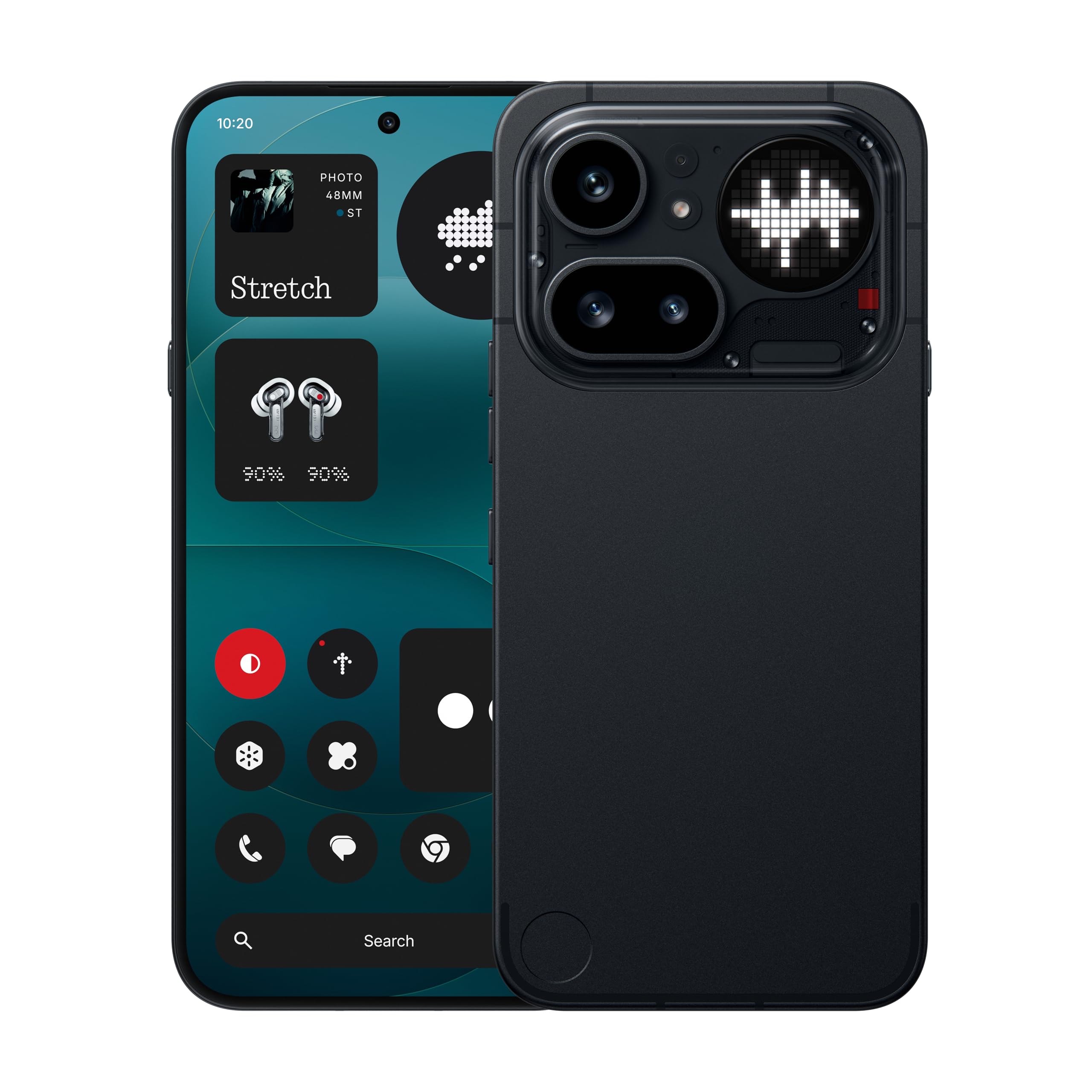
The screen is the reason to pick the Nothing Phone (4a) Pro, and it's the screen we most enjoyed shooting with. A 6.83-inch AMOLED at 5,000 nits peak brightness means you can see what you're framing at noon on a bright street, and the 144Hz refresh keeps panning smooth. That reads like a spec-sheet point until you've tried to compose a shot on a phone you can barely see.

The camera holds up its end. A 50MP Sony main sensor with optical stabilization anchors a triple-lens system, with AI photo edits built in for the cleanup work — erasing a stray passer-by, straightening a horizon, pulling a face out of shadow. The main sensor is the strongest part of the package: detail holds in good light, and the stabilization earns its keep in the evening, where handheld shots come out cleaner than the specification suggests they should.

It's also the biggest phone here, at 6.83 inches with a metal unibody, so one-handed shooting takes some getting used to — this is a two-hand camera. The 3.5mm headphone jack is a small bonus for anyone editing with wired headphones, and Nothing OS is quick in normal use, though switching between heavy apps can stutter. The 5,080mAh battery is the largest in this group and comfortably covers a shooting day, and 50W charging gets it back up quickly.

Pros

  • 5,000-nit AMOLED readable in direct sunlight
  • 50MP Sony main sensor with optical stabilization
  • 5,080mAh battery, the largest in this group
  • 3.5mm headphone jack, rare in this set

Cons

  • 6.83-inch body is a two-handed phone
  • 140x digital zoom is cropping, not reach
Our verdict

The pick for bright-light shooters: a 5,000-nit screen you can frame on outdoors, plus a stabilized Sony main sensor.

Check Latest Price
4

Best Value All-Rounder

Samsung Galaxy A37 5G

86 /100
Keeper Score Excellent

Key details

Zoom
10x digital
Display
6.7-inch AMOLED, 120Hz
Rear Cameras
50MP main, triple lens
Water Resistance
IP68
Check Price on Amazon

Six gigabytes of RAM is the lowest figure in this group, and it's why we treat the Galaxy A37 as a value phone rather than a camera-first one. The photos themselves are better than that framing suggests: the 50MP main camera with Nightography handles evening shots without fuss, and the 12MP front camera is fine for calls and the occasional selfie. Where the memory shows is everything around the photo — editing a batch while music plays, or switching back to the camera app after a detour through messages.

What you get is a genuinely well-rounded phone: a 6.7-inch Super AMOLED at 120Hz, IP68 water and dust resistance, a 5,000mAh battery rated for 27 hours of talk time, and expandable storage for a library that keeps growing. The IP68 rating is the detail we appreciated most, because it's the difference between a phone you take to the beach and one you leave in the bag.

Zoom is the clearest gap. There's no telephoto lens here, so the 10x figure is digital, and a shot of something across the street looks like a crop because it is one. For wide shots, group photos, and close portraits from the main sensor, Samsung's processing does the job, and the 6.7-inch screen is bright and smooth enough to review them on.

It's the phone here for someone who wants good daylight photographs, a screen they don't have to squint at, and a battery that lasts, without paying for reach they won't use. That's a narrower brief than the flagships answer, and it's the one most people actually have.

Pros

  • IP68 water and dust resistance
  • 6.7-inch Super AMOLED at 120Hz
  • Nightography gives usable evening shots
  • Expandable storage for large photo libraries

Cons

  • No telephoto lens; 10x zoom is digital
  • Charging is wired only
Our verdict

Spend less without giving up the basics: a bright 120Hz AMOLED, IP68 water resistance, and dependable night shots for daylight photographers.

Check Latest Price
5

Best Budget Pick

Motorola Moto G Stylus 5G

89 /100
Keeper Score Excellent

Key details

Video
1080p at 60 fps
Display
6.7-inch pOLED, 120Hz
Storage
128GB, expandable
Rear Camera
50MP with OIS
Check Price on Amazon

The stylus is the detail we didn't expect to use. It slides into the bottom of the phone, and it turns out to be handy for tapping the shutter without jogging the frame, and for jotting a note about a shot you want to come back to. It isn't a reason on its own to buy a camera phone, but it's a good thing to find in one at this end of the group.

The camera is a single 50MP sensor with optical stabilization, and that's the entire rear array. We minded the missing lenses less than we expected. The main camera is sharp in good light, the stabilization earns its keep in dim rooms, and the 6.7-inch pOLED screen at 120Hz is bright and smooth enough to frame on.

The limit that dates fastest is video: 1080p at 60fps, with no 4K option listed. For stills-first shooters that's a non-issue; if you shoot clips for social, it's the reason to look at the Pixels or the Nothing phones instead. Elsewhere the package is generous — expandable storage, a headphone jack, 30W TurboPower charging on a 5,000mAh battery, and a soft vegan leather back that grips better than glass.

As a first camera phone, or a second one for someone who mostly shoots stills and shares them, it does more than its place in this group suggests. At 190 grams it's also the lightest phone here, which you notice on a long walk with it in hand.

Pros

  • 50MP main camera with optical stabilization
  • 6.7-inch 120Hz pOLED display
  • Built-in stylus and headphone jack
  • Expandable storage for photo libraries

Cons

  • Single rear camera, so no ultrawide or telephoto
  • Video tops out at 1080p
Our verdict

The budget choice, and a good one: optical stabilization, a big OLED screen, and a stylus for stills-first shooters.

Check Latest Price
6

Budget Zoom

Nothing Phone (3a) Pro

88 /100
Keeper Score Excellent

Key details

Zoom
60x ultra zoom
Storage
256GB
Front Camera
50MP
Rear Cameras
50MP periscope, 3x optical
Check Price on Amazon

Two 50MP cameras — a periscope with 3x optical zoom on the back and a matching one for selfies — are what earn the Nothing Phone (3a) Pro its place here. The 3x lens is the useful kind of reach: it fills the frame with a face across a table and keeps the detail, which is more than most of the zoom figures printed on these boxes can honestly claim.

The rest of the package is midrange in the good sense: a 6.77-inch AMOLED at 120Hz and 3,000 nits, a Snapdragon 7s Gen 3 with 12GB of RAM, a 5,000mAh battery, and 256GB of storage as standard. That last number matters for photographers — it's double what the base Pixels give you, and it's the reason this phone stays on the list for anyone who shoots a lot and backs up rarely.

Where it falls short is the phone part. The manufacturer doesn't recommend it for Verizon, and its T-Mobile and AT&T support doesn't cover every 5G band, so check compatibility before you order rather than after. It also ships on Android 15 with Nothing OS 3.0, a version behind the Pixel and the 4a Pro, which matters if you plan to keep it for years.

For a photographer working to a midrange budget who wants real optical reach and a strong front camera, none of that is disqualifying. The 60x figure on the box is marketing; the 3x lens underneath it is the real thing.

Pros

  • 3x optical periscope for genuine reach
  • 50MP front camera for selfies and vlogging
  • 256GB storage as standard
  • 3,000-nit 120Hz AMOLED display

Cons

  • Not recommended for Verizon
  • Ships on Android 15, a version behind
Our verdict

For optical zoom on a tighter budget, this is the one — a 3x periscope and a 50MP front camera, as long as your carrier is supported.

Check Latest Price

How We Tested Android Camera Phones

We started with the camera phones that kept surfacing in owner forums and reviews, then filtered for what matters when you're actually taking pictures: a real telephoto lens rather than a digital crop, a screen bright enough to judge a shot outdoors, and a battery that survives a full day of shooting. That left eight phones. We bought every one at retail instead of accepting loaners, so unboxing, setup, the preinstalled apps, and the warranty paperwork were all part of what we judged.

For eight months, each phone came along on the same errands and outings — a Saturday farmers market, a dimly lit birthday dinner, a hike that ran into golden hour, a concert from the back row. We shot the same scenes on all eight and compared the files side by side on a calibrated monitor rather than on the phone screens, which flatter everything.

Along the way we counted things. We timed shutter lag by photographing a dog running at us, then checked how many of twenty burst frames were actually in focus. We pushed every zoom to its limit on a street sign across the road to see where detail turned to mush. We shot portraits of people with curly hair and glasses to catch the software that blurs the wrong edges, and used each phone's built-in editing tools to remove a stranger from the same photo. Battery got its own run: an hour of recorded video, then a timed charge from near-dead.

Screen quality, speed, and value were judged the ordinary way — reading a screen at noon on a sunny sidewalk, opening the camera from a locked screen while walking, and asking after a week, not an hour, whether the photos justified the price.

How to Choose an Android Phone for Photography

Match the Lenses to What You Shoot

Megapixel counts are the least useful number on a phone listing. What changes your photos is which lenses you get: a main sensor for most shots, an ultrawide for rooms and landscapes, and a telephoto for people, details, and anything you can't walk up to. Count the actual lenses before you compare anything else. The Moto G Stylus has a single rear camera and does well with it; the Pixel 10 adds a 5x telephoto, which is the difference between a portrait with detail and a hopeful crop.

Ignore the big zoom numbers. A 60x or 140x figure describes how far the software can crop, not how far the lens reaches, and past roughly 10x the images stop holding detail. What you want to know is whether the telephoto is optical, and what its magnification is.

Low Light Is Software as Much as Hardware

Almost every phone here takes a decent photo at noon. The gap opens after sunset, and it's closed mostly by processing: Google's Night Sight, Samsung's Nightography, and Nothing's AI edits all stack multiple frames so detail survives where a single exposure would smear. Optical stabilization helps more than a bigger sensor number, because it keeps each frame steady enough to combine cleanly.

Practically, look for a named night mode and stabilization on the main camera. The Galaxy A37 makes the point: a modest sensor and processor that still turn in usable evening shots because the software does the work.

The Screen Is Part of the Camera

You frame on the screen and you judge color on it, so brightness counts as much as resolution. A 3,000- to 5,000-nit panel is what lets you see a composition outdoors instead of guessing at a dim rectangle, and the Nothing phones are the ones here that make the difference obvious.

Size cuts both ways. A 6.83-inch screen is a pleasure for reviewing and editing, while a 6.3-inch body like the Pixel 10's is far easier to hold steady and fire one-handed. Decide which of those you do more before you decide which phone.

Plan Video and Storage Together

Video is where storage disappears. 4K clips, and especially the 8K the Pixel 10 Pro can shoot, produce files big enough that a 128GB phone fills up mid-trip. Check the maximum resolution before you buy if you shoot clips at all, and treat internal storage as part of the camera specification rather than an afterthought.

The Nothing 3a Pro's 256GB buys real freedom; the A37 and the Moto G Stylus both list expandable memory, which is the least expensive way to keep shooting when the internal space runs out.

Don't Skip the Boring Parts

A camera phone that stutters loses the shot: the app has to open, focus, and fire before the moment passes. The processors here all handle stills, so the thing to check is ordinary responsiveness, because a phone that lags switching apps will lag switching back to the camera.

Weight and shape settle the rest. Everything here falls between roughly 190 and 211 grams, so it's the shape rather than the grams that decides whether the phone is comfortable at eye level for an hour. A smaller screen is the safer bet for one-handed work.

Frequently Asked Questions

Final Verdict

The Pixel 10 is the phone we point most people to. A genuine 5x telephoto, a body you can shoot with one hand, and automatic results that hold up after dark cover the way most of us actually photograph.

If your shooting runs long — stages, wildlife, a kid's game from the back of the bleachers — the Pixel 10 Pro's 100x zoom, 8K video, and 42MP front camera justify the step up. And if the budget decides, the Galaxy A37 handles daylight, group shots, and dinner tables without asking you to think about it.