Best Noise-Canceling Headphones of 2026

Noise cancellation is a strange thing to shop for, because the number that matters most isn't printed on the box. Microphones listen to the room, a chip builds an inverse wave, and your ears get the difference — which is why a modestly specced pair can hush a plane cabin while a pricier set only muffles it. What you're actually buying is a quieter commute and music at a volume your ears will thank you for later.

I've worn a pair on nearly every flight since 2019, and the ones I reach for aren't always the expensive ones. Over the past seven months, my team and I have lived with 12 pairs through morning commutes, open-plan afternoons, and long-haul flights, and fit decided more than the chip did — a loose seal leaks bass and lets in the exact drone you bought the headphones to escape.

Weight you feel by hour three, and multipoint pairing that genuinely holds a laptop and a phone at once is rarer than the listings suggest. The picks below are sorted by what each pair is honestly best at.

Keeper Score summarizes customer ratings and review volume. Read it alongside the product details and trade-offs. How the score works.

1

Best Overall

Bose QuietComfort Headphones

91 /100
Keeper Score Outstanding

Key details

Weight
8.4 oz
Bluetooth
5
Battery Life
Up to 24 hours
Quick Charge
15 minutes for 2.5 hours
Check Price on Amazon

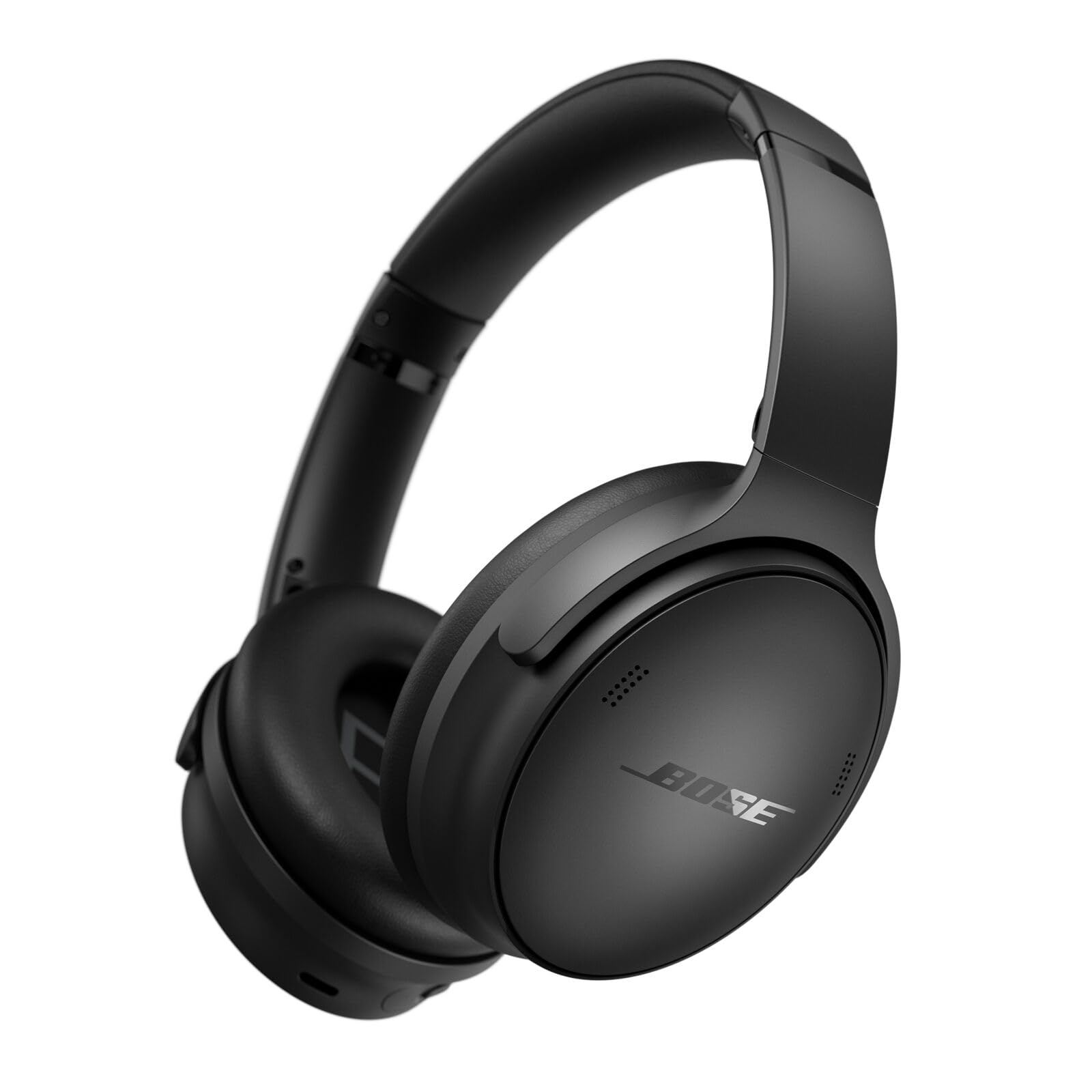
Twenty-four hours is the shortest battery rating among the headphones worth shortlisting here, and it's the first thing to understand about the Bose QuietComfort, because that number is what the comfort costs. We make that trade happily. The cups are deep and plush, the band is properly padded, and the whole thing weighs 238 grams — light enough that a long workday passes without the clamp becoming the thing you notice.

The cancellation is the other half of the argument. Bose pairs its processing with a genuinely good physical seal, and the combination holds up against engine drone and the general wash of a busy office. Quiet and Aware sit a single press apart, which matters more than it sounds when you want to order a coffee without unclipping anything. Bass and treble are adjustable in the app, and the tuning is warm and full rather than clinical.

Bluetooth is where this pair is least certain: dropouts during calls are the recurring issue, so make one test call before you trust them with a client. A 15-minute top-up buys about two and a half hours, which covers the morning you forget, and on a normal commute you'll be charging roughly once a week.

Pros

  • Cancellation holds up on planes and in offices
  • Deep, plush cushions stay comfortable for hours
  • 15-minute charge buys 2.5 hours
  • Costs far less than the flagships here

Cons

  • Bluetooth dropouts during calls
Our verdict

This is the pair we recommend first. It's the most comfortable set here, the cancellation held up on a plane, and it costs far less than the flagships.
Check Latest Price
2

Best Noise Cancellation

Sony WH-1000XM6

85 /100
Keeper Score Excellent

Key details

Weight
8.96 oz
Bluetooth
5.3
Charge Time
3.5 hours
Battery Life
Up to 30 hours
Check Price on Amazon

The Bose quiets a plane for a fraction of what this costs. The Sony WH-1000XM6 answers a different question: what if the noise has to disappear rather than recede?

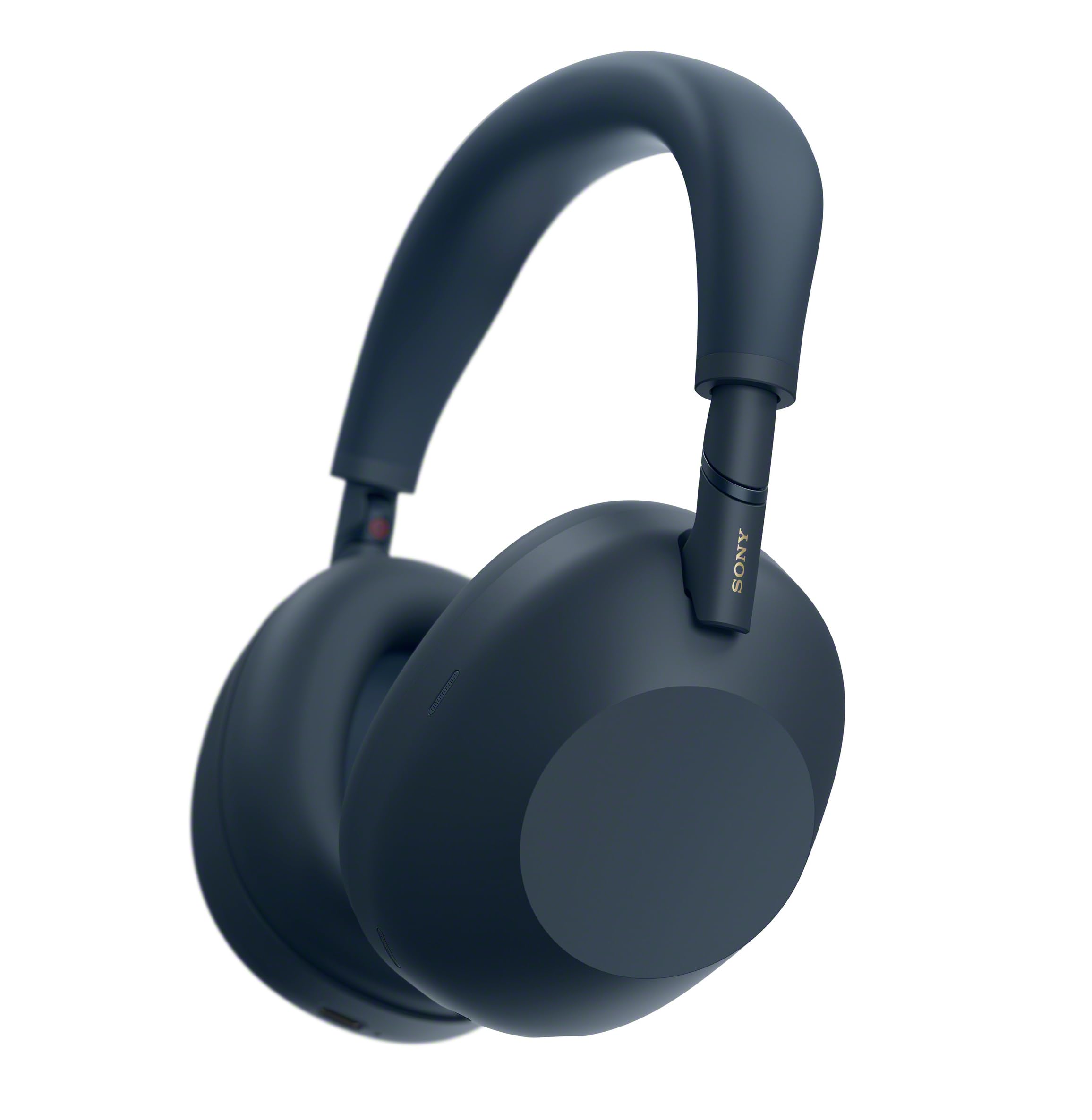
Sony's argument is hardware. Twelve microphones feed the QN3 processor, which the company claims is seven times faster than the chip in the XM5, and an adaptive optimizer retunes as the seal shifts around your ears. The result is the strongest noise cancellation on this page, and the gap to the next pick is widest in the low rumble of a cabin or a subway tunnel — exactly the noise that makes travel tiring.

The practical details are well judged: 30 hours of playback, a folding frame and a hard case with a magnetic closure, multipoint for a laptop and a phone, and a 3.5 mm jack for in-flight systems. Fit is the deciding variable. The clamp runs tight, so if you have a larger head or wear glasses, the first hour is the test, and no amount of processing fixes a seal that never settles.

At the top of the price range here, this is a pair to buy for the cancellation first. The value is thin if you mostly listen at a desk, and the plastic rings holding the earcups are the part to watch over a couple of years. For a frequent flyer, none of that changes the answer.

Pros

  • The strongest noise cancellation in this group
  • 30 hours and a proper hard case
  • 12 microphones with adaptive retuning
  • 3.5 mm jack and multipoint pairing

Cons

  • Tight clamp on larger heads
  • Plastic earcup rings can crack
Our verdict

Buy it for the quiet. Nothing else here cancels more noise, and the hard case and 30-hour battery make it the one to pack for a long trip.

Check Latest Price
3

Best for Apple Devices

Apple AirPods Max 2

89 /100
Keeper Score Excellent

Key details

Chip
Apple H2
Weight
13.6 oz
Dimensions
9.59 x 9.44 x 3.19 inches
Check Price on Amazon

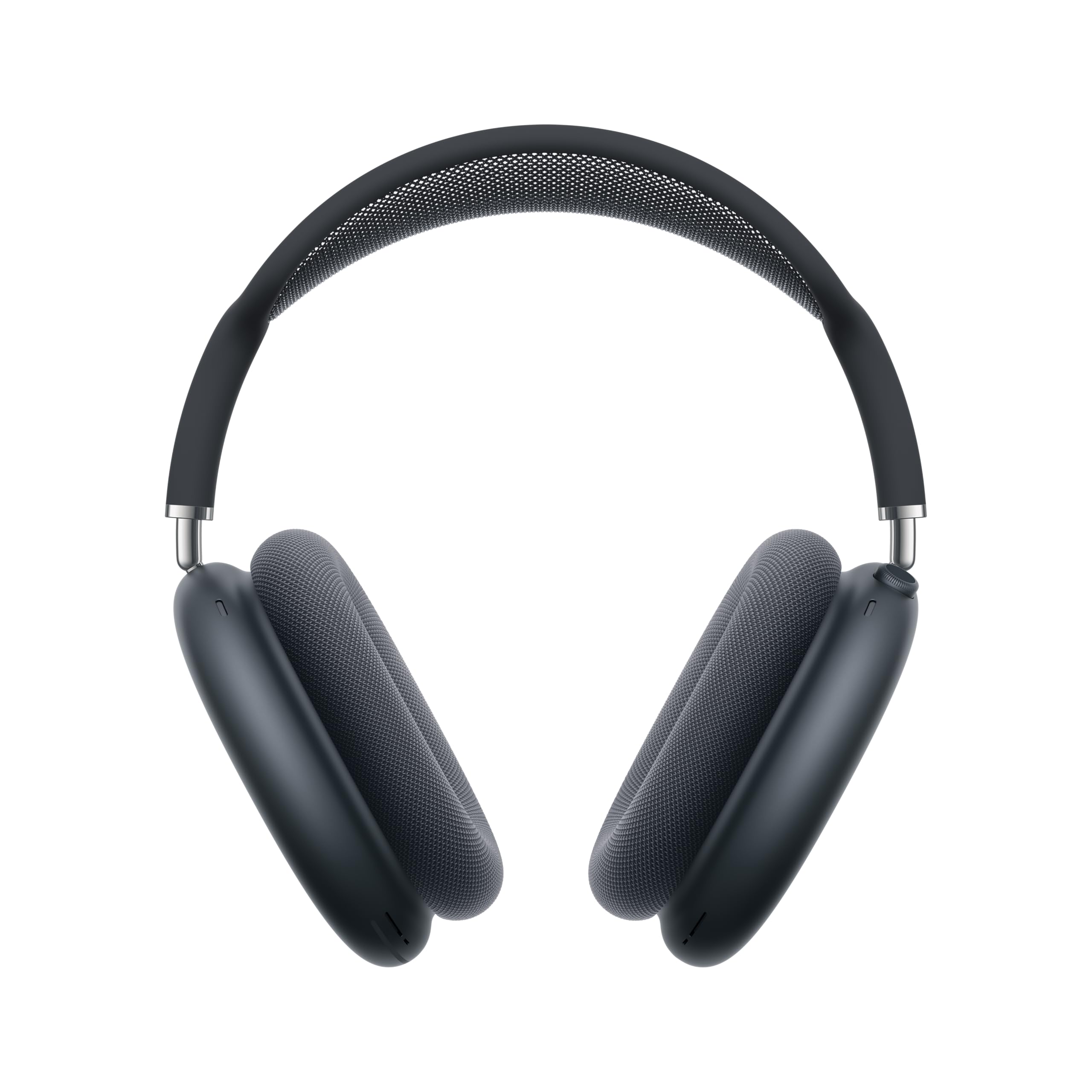
At 13.6 ounces, the AirPods Max 2 weighs almost exactly twice what the Sony WH-CH720N does, and that's the number to sit with first. On a long flight the mass gathers at the crown, and the clamp can start to bite after an hour. The cushions are soft, but softness doesn't change the physics.

What you pay for is the processing. Apple claims up to 1.5 times the cancellation of the previous generation, and this sits near the top of this group on quiet. The H2 chip reads the room and adjusts without you touching a control, Adaptive Audio slides between cancelling and letting the world in, and Conversation Awareness drops the volume the moment you start talking.

If your devices are Apple's, the seams disappear: pairing is instant, audio moves between iPhone, iPad and Mac without ceremony, and Live Translation through Apple Intelligence handles a conversation in another language. That's also the catch. The best features are Apple-only, and an Android phone gets a very expensive pair of Bluetooth headphones.

Battery is the open question. Apple doesn't list a playtime figure for this model, so confirm the rated hours before you commit to a long-haul flight — for a pair at this money, that's the one specification worth chasing down. Everything else here is the best version of what it is, and the price is for the ecosystem as much as the sound.

Pros

  • Cancellation near the top of this group
  • Instant handoff across Apple devices
  • Head-tracked spatial audio
  • Conversation Awareness drops volume when you speak

Cons

  • Spatial audio and Live Translation need Apple devices
Our verdict

The pair to buy if all your devices are Apple's: cancellation near the top of this group and instant handoff between iPhone, iPad and Mac.

Check Latest Price
4

Best Lightweight

Sony WH-CH720N

88 /100
Keeper Score Excellent

Key details

Weight
6.77 oz
Bluetooth
5.2
Battery Life
Up to 35 hours
Quick Charge
3 minutes for 1 hour
Check Price on Amazon

If you've ever taken a pair of headphones off after an hour because the top of your head ached, the WH-CH720N is the pair Sony built for you. It weighs 192 grams, the lightest thing on this page by a comfortable margin, and that single fact shapes everything else about living with it.

A light frame needs less clamp to stay put, so glasses and long afternoons are easier here than on the heavier picks. Sony's dual noise sensor setup and the V1 processor do solid work on steady noise — a train, a fan, traffic — and the ambient sound mode is adjustable, with Adaptive Sound Control shifting between settings as you move around.

Thirty-five hours of playback and a three-minute charge for an hour of listening are the practical wins. Multipoint is unusual at this position in the range too: your laptop and phone both stay connected, and the audio follows whichever one speaks up.

The omission is the cable. There's no 3.5 mm jack, and the only lead in the box is USB-C for charging, so a dead battery means silence until you find a socket. Pack a power bank if these are coming on a long flight.

Pros

  • 192 grams, the lightest pair here
  • 35 hours with a 3-minute quick charge
  • Multipoint at a midrange price
  • Adjustable ambient sound mode

Cons

  • Noise cancellation trails the Bose and XM6
Our verdict

If weight is what stops you wearing headphones all day, this is the one. At 192 grams it's the lightest here, and it runs 35 hours on a charge.

Check Latest Price
5

Best Budget

soundcore Q20i

91 /100
Keeper Score Outstanding

Key details

Weight
9.12 oz
Drivers
40 mm
Bluetooth
5.0
Battery Life
40 hours with ANC, 60 hours standard
Check Price on Amazon

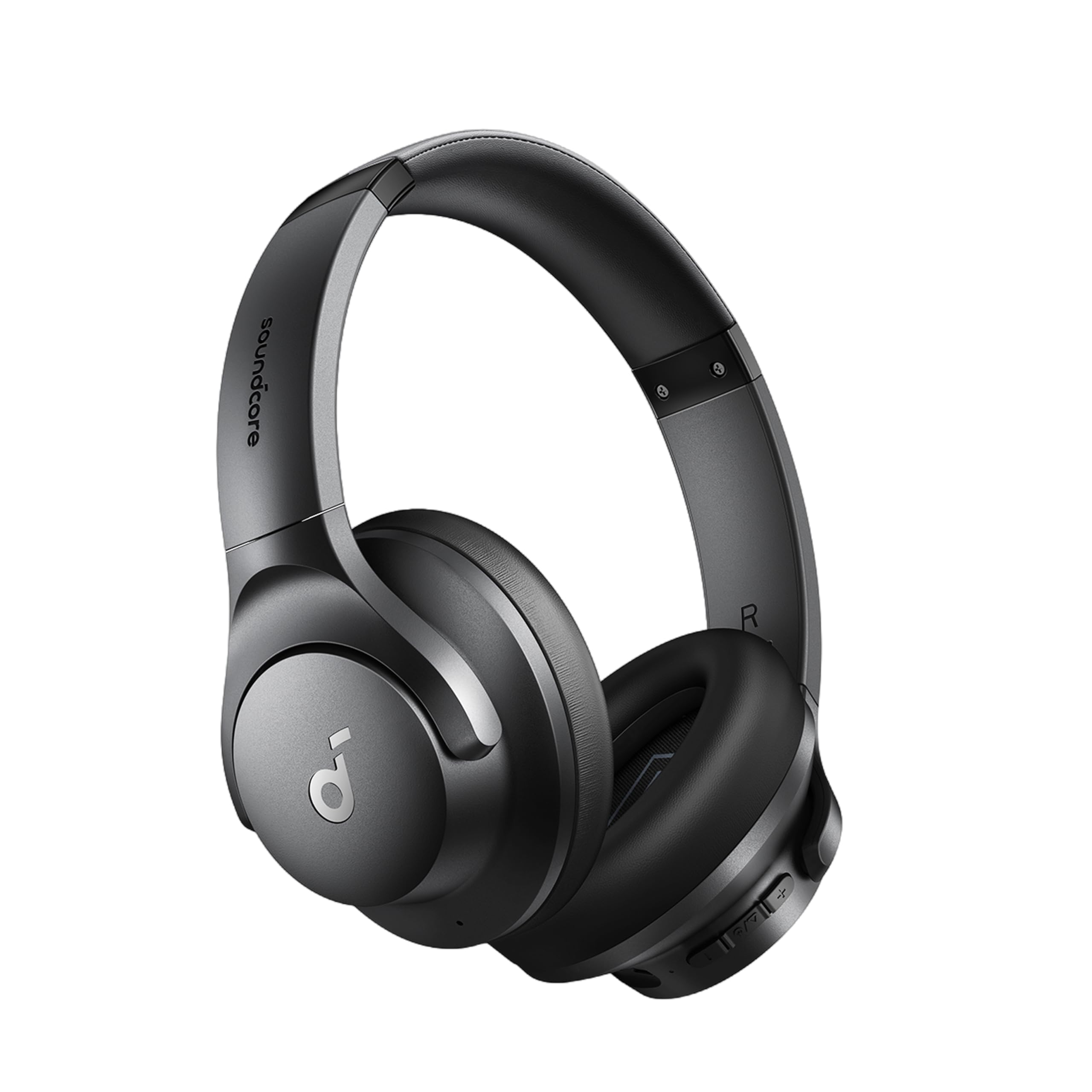
Two microphones inside each cup and two outside is the same hybrid recipe the expensive pairs use, and the soundcore Q20i is one of the cheapest places on this page to get it. The four mics work together to cut the low wash of an engine or an open-plan office, and on a commute the effect is genuine rather than cosmetic.

Battery is the headline: 40 hours with cancellation running, 60 with it off, and two hours to a full charge. That's roughly a weekly charge on a normal commute, and it's the kind of number that stops you thinking about the cable. Dual-device pairing keeps a laptop connected when a call lands on your phone, and the app's 22 EQ presets are enough to pull back the default bass if the thump is too much.

What you give up is refinement. The shell is ABS and polycarbonate and feels it — no soft-touch finish, no metal in the yokes. Set against a weekly charge and a working wired mode, that's a fair trade at the budget end, but don't expect the Q20i to feel like the Bose in your hands.

The wired option is real here: a 3.5 mm jack and a detachable cable mean the Q20i keeps playing when the battery doesn't, which is more than the Sony WH-CH720N can offer. For a first pair of noise-canceling headphones, that combination is hard to argue with.

Pros

  • Hybrid ANC at a budget price
  • 40 hours with ANC on, 60 without
  • 22 EQ presets in the app
  • 3.5 mm jack and detachable cable

Cons

  • Loose clamp on smaller heads
  • Earcups trap heat during workouts
Our verdict

The budget pick we hand to most people. Real hybrid cancellation, 40 hours with it on, and a 3.5 mm jack for when the battery dies.

Check Latest Price
6

Long Trips

JLab JBuds Lux ANC

91 /100
Keeper Score Outstanding

Key details

Weight
8.29 oz
Warranty
2 years
Battery Life
Up to 70 hours
Noise Reduction
Up to 35 dB
Check Price on Amazon

The matte mauve finish is the first thing anyone notices, and after a shelf of black headphones it reads as a deliberate choice rather than a default. The color isn't the argument, though. The numbers are.

Seventy hours of playback is what earns the JLab a place, and the ANC-on figure still clears 40, which covers a long-haul flight and the week after it. At 235 grams it's lighter than the Bose and the soundcore, the earcups are soft, and the fit stays put through a workout — more than most over-ears manage.

The two-year warranty is the detail we keep coming back to. On a budget pair, a two-year cover is a statement about hinges and bands, which is exactly where cheap headphones fail. There's also Wireless Share, which streams to a second compatible JLab pair so two people can watch the same film on a flight, and multipoint for a laptop and a phone.

The cancellation, rated to 35 dB, handles a bus and an office; it won't flatten a cabin the way the Bose or the Sony XM6 do, so if you fly for a living, spend up. For everything else — commuting, study, a shared flat — it's more quiet than the money suggests.

Pros

  • 70 hours of playback, 40 with ANC
  • 235 grams, lighter than the Bose
  • Two-year warranty at a budget price
  • Wireless Share streams to a second JLab pair

Cons

  • No 3.5 mm jack for airline adapters
Our verdict

Our pick for long trips on a tight budget — 70 hours of playback, a two-year warranty and a lighter frame than the Bose.

Check Latest Price
7

Weeks Between Charges

TOZO HT3

91 /100
Keeper Score Outstanding

Key details

Weight
8.96 oz
Bluetooth
6.0
Battery Life
Up to 90 hours
Noise Reduction
Up to 45 dB
Check Price on Amazon

Ninety hours is the biggest battery claim in this group by a wide margin, and the charging arithmetic is what makes it credible: ten minutes on a cable buys about nine hours, which is a full day of listening out of a coffee break.

The rest of the specification is unusually generous for the money. Adaptive hybrid cancellation rated to 45 dB, 40 mm drivers, Bluetooth 6.0 with a 20-metre range, dual-device pairing, and a wired path through either 3.5 mm or a USB-C connection that handles audio and charging. Nothing in this price band offers that spread.

Comfort is where it surprised us. At 254 grams it's heavier than the JLab and the Bose on paper, but the weight is spread well and the cups are roomy enough for larger ears. Thirty-two EQ presets in the app let you dial back the bass, and the controls are physical buttons rather than a touch panel, which we prefer when you're wearing gloves.

Where it lands is straightforward: this is the pair for someone who wants a fortnight between charges and doesn't want to pay flagship money to get it. The 45 dB rating is a manufacturer figure rather than a promise about a rush-hour train, and it's worth calibrating expectations there. Nothing else here asks so little of your charging routine.

Pros

  • 90 hours of playback, 10 minutes for 9 hours
  • 45 dB adaptive hybrid cancellation
  • 32 EQ presets and physical buttons
  • Roomy cups for larger ears

Cons

  • Thin headband padding
Our verdict

The value choice for people who hate charging: 90 hours, ten minutes for a full day, and cancellation rated to 45 dB.

Check Latest Price
8

Wired Lossless Listening

Beats Studio Pro

91 /100
Keeper Score Outstanding

Key details

Weight
9.2 oz
Dimensions
7.01 x 3.07 x 7.13 inches
Wired Audio
USB-C lossless, 3.5 mm
Battery Life
Up to 40 hours
Check Price on Amazon

USB-C audio is the reason this pair is on the page. Plug in a cable and the Studio Pro takes a lossless digital feed that skips Bluetooth entirely — one of only a couple of pairs here that can — and if you edit audio on a laptop or simply want the cleanest signal your phone can send, that's an advantage most of this group can't match.

The rest is the Beats formula done well. Forty hours of playback, one-touch pairing on both Apple and Android, and spatial audio with dynamic head tracking that makes a film on a laptop feel bigger than the screen it's playing on. At 9.2 ounces it's comfortable for a couple of hours at a stretch, and the controls are quick to learn.

The caveats are real. Cancellation is a step behind the Bose and the Sony XM6 — it dulls a cabin rather than silencing it — and at this price that gap is the whole argument. The Studio Pro earns its place on the wired path and the spatial audio, not on quiet.

So it comes down to whether you'll actually use the USB-C input or watch films with head tracking. If you will, nothing here beats it for a desktop or editing setup. If you won't, the Bose is the safer buy and the quieter one.

Pros

  • USB-C lossless audio skips Bluetooth
  • 40 hours of playback
  • Spatial audio with head tracking
  • One-touch pairing on Apple and Android

Cons

  • Headband can crack at the hinge
Our verdict

Worth buying for the USB-C lossless path and head-tracked spatial audio; if quiet is the only goal, the Bose costs less and cancels more.

Check Latest Price

How We Tested 12 Pairs Over Seven Months

We built the shortlist by pulling every over-ear active noise-canceling model we could find across budget and flagship tiers, then reading through owner reviews for the complaints that repeat: hinges that crack at the pivot, Bluetooth that drops when a phone leaves the room, earcups that clamp after an hour. Twelve pairs made the cut, and we wore them for seven months — in an open-plan office, on two cross-country flights, on a daily subway commute, and on video calls from a kitchen table.

For noise cancellation we didn't rely on the claims. We stood on a platform while a train braked and noted whether the low rumble disappeared, lingered as pressure in the ears, or let the announcements straight through. Each pair got three-hour stretches so we could feel where the weight landed, whether the seal held over glasses, and if our ears overheated. The same five tracks ran through every set, including a bass-heavy one to catch muddiness and a sparse acoustic one to hear what got lost.

Battery runs started from a Friday charge with cancellation on and ran until the low-battery warning; quick top-ups got timed with a stopwatch. We paired each set to a laptop and a phone simultaneously, walked to the far end of the office to count dropouts, then took a call on the wrong device to see how cleanly it handed over. Last came durability and fiddling: hinges flexed, cups folded and refolded, each pair rode loose in a tote without its case for a week, and we spent an evening in every companion app reshaping the EQ to hear how much the sound would move.

How to Choose Noise-Canceling Headphones

Match the Cancellation to the Noise

Nearly everything in this group uses hybrid cancellation: microphones on the outside of the cup measure the noise, microphones inside check what got through, and the electronics generate an opposing signal. That works best on steady, low-frequency sound — engine drone, air conditioning, the rumble of a train — and much less well on speech, which changes too quickly to cancel cleanly. A pair that makes a cabin feel silent can leave you hearing every word at the next table.

So if the problem is a talkative office rather than a jet, the physical seal matters as much as the processing. A snug over-ear fit with deep cushions does more for you than any mode button, which is why the most comfortable pair in this set is also one of the quietest in ordinary rooms.

Weigh the Weight Before Anything Else

Weight in this group runs from 192 grams to 385, and that range is the difference between forgetting you have headphones on and noticing them at the hour mark. Heavier doesn't automatically mean worse — the second-heaviest pair here is also the most effective at cancelling noise — but the mass sits on the crown, while clamp pressure shows up at the temples.

If you wear glasses, have a large head, or regularly wear headphones for four hours straight, put the lighter options at the top of your list and read the fit comments before the feature list.

Read Battery Figures With ANC On

Listings are generous with battery numbers, and the honest one is the ANC-on figure. Several pairs here quote a big total that assumes cancellation is switched off; one quotes 40 hours with it running against 60 without. Where only a single headline number appears, assume it's the no-ANC figure until you check.

Quick charging is the more useful specification for most people. A few minutes on a cable that buys an hour or two turns a forgotten charge into a non-event, and three of the picks here publish exactly that. For long-haul flying, treat 30 hours as the practical floor.

Check the Hinges, the Band and the Warranty

Over-ear headphones fail at the joints, not the drivers. Hinges, sliding arms and headbands are where the money shows, and a folding frame with a metal yoke is worth more day to day than an extra EQ preset. Plastic rings holding the earcups are a known weak point on more than one premium model.

Warranty length is the maker's own bet on those parts. A two-year cover on a budget pair tells you something a 90-day one doesn't, and it's a fair tiebreaker when two pairs otherwise look alike.

Frequently Asked Questions

Final Verdict

Buy the Bose QuietComfort if you want one pair to do everything. It's the most comfortable set here, its cancellation holds up on a plane, and it costs a great deal less than the flagships.

If quiet is the entire point and the budget stretches, the Sony WH-1000XM6 cancels more noise than anything else on this page and folds into a hard case. And if you're shopping the budget end, the soundcore Q20i is the one we point to first.